Home / Blog / Uncategorized / Are parabens actually bad for you?
Are parabens actually bad for you?
Chemical reviewed by Eric
Written by the Rebel.Care Editorial Team
Last updated 20/02/2026
Parabens aren’t inherently dangerous at the low levels found in skincare products. They’re synthetic preservatives that prevent harmful bacteria and mould growth, making products safer to use. While some studies have raised concerns about hormone disruption, regulatory bodies worldwide consider them safe for cosmetic use. The choice between paraben and paraben-free products comes down to personal preference rather than health necessity.
What exactly are parabens and why are they everywhere?
Parabens are synthetic preservatives that stop bacteria, yeast, and mould from growing in your skincare products. Without them, that face cream would turn into a petri dish of nasties within weeks. They’re cheap, effective, and have kept cosmetics safe for decades.
You’ll find parabens in everything from shampoo to moisturiser because they work brilliantly at their job. The most common ones are methylparaben, propylparaben, butylparaben, and ethylparaben. They’re particularly good at preventing the kind of bacterial growth that could cause serious skin infections.
The cosmetics industry embraced parabens because they’re stable, don’t change the texture or smell of products, and have a long track record of keeping things fresh. They became the go-to preservative system because they’re reliable and cost-effective for manufacturers.
Before parabens became widespread, cosmetic products had much shorter shelf lives and higher contamination risks. That’s why they became so ubiquitous – they solved real safety problems that the industry faced.
What’s all the fuss about parabens being dangerous?
The paraben controversy started in the early 2000s when researchers found traces of parabens in breast cancer tissue samples. This discovery sparked concerns about potential links between parabens and cancer, though the study didn’t prove parabens caused the cancer.
The main worry centres on parabens’ weak oestrogenic activity. In laboratory conditions, parabens can mimic oestrogen hormones, leading to fears about hormone disruption. However, this oestrogenic activity is thousands of times weaker than natural oestrogen.
Media coverage amplified these concerns, often without proper context about dosage levels or real-world exposure. The “chemical-free” marketing trend capitalised on these fears, positioning paraben-free products as inherently safer options.
Environmental concerns also emerged, with studies finding parabens in water systems and marine life. This raised questions about their broader ecological impact, adding another layer to the controversy.
Social media and wellness influencers further spread paraben fears, often mixing legitimate scientific concerns with unfounded claims about toxicity and health risks.
Do parabens actually cause health problems?
Current scientific evidence doesn’t support claims that parabens cause health problems at the levels used in cosmetics. Major regulatory bodies, including the EU, FDA, and Health Canada, have reviewed the research and maintain that parabens are safe for cosmetic use.
The key difference lies between laboratory studies and real-world usage. Lab studies often use concentrations far higher than what you’d encounter in skincare products. Your daily paraben exposure from cosmetics is typically 1,000 times lower than levels that might cause concern.
The European Union, which has some of the strictest cosmetic regulations globally, allows parabens up to specific concentration limits. It has banned some longer-chain parabens as a precaution but considers the common ones safe.
Studies attempting to link parabens to breast cancer, fertility issues, or developmental problems haven’t established causation. Many of these studies show correlation at best and often involve exposure levels far exceeding normal cosmetic use.
Your skin absorbs only small amounts of parabens, and your body breaks them down and eliminates them quickly. They don’t accumulate in tissue the way some other chemicals might.
Should you switch to paraben-free products?
Switching to paraben-free products is a personal choice rather than a health necessity. If parabens don’t irritate your skin and you’re comfortable with the safety data, there’s no compelling reason to avoid them. However, quality alternatives exist if you prefer to skip them.
Consider your skin type and sensitivity when choosing products. Some people experience irritation from parabens, though this is relatively uncommon. If you have sensitive skin, patch-testing any new product is more important than its preservative system.
When choosing paraben-free options, look for products with reliable alternative preservatives. Quality brands use systems like phenoxyethanol, benzyl alcohol, or natural preservatives that maintain product safety without parabens.
Be wary of products claiming to be “preservative-free” entirely. All skincare products containing water need some form of preservation to prevent dangerous bacterial growth. Natural skincare for men should still prioritise safety alongside clean ingredients.
If you’re exploring paraben-free options, focus on brands that formulate thoughtfully rather than simply removing ingredients. The best natural skincare for men combines effective preservation with high-quality, skin-friendly ingredients that work for your lifestyle and skin needs.
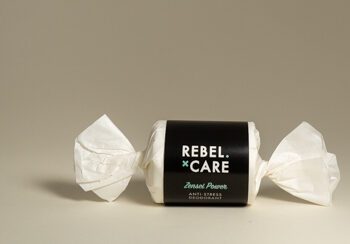
At Rebel.Care, we’ve chosen to formulate without parabens not because they’re dangerous, but because we can achieve excellent preservation and product performance using alternative systems that align with our natural approach to men’s skincare.
Frequently Asked Questions
How can I tell if a product contains parabens?
Check the ingredient list on the product packaging or brand website. Parabens are listed by their specific names like methylparaben, propylparaben, butylparaben, or ethylparaben. They're usually found towards the end of the ingredient list since they're used in small concentrations. Look for any ingredient ending in 'paraben' to identify them quickly.
What should I look for in paraben-free preservatives?
Effective paraben-free preservatives include phenoxyethanol, benzyl alcohol, sodium benzoate, potassium sorbate, or natural options like rosemary extract and tocopherol (vitamin E). Quality brands often use preservative blends for better efficacy. Avoid products claiming to be completely preservative-free, as they pose contamination risks.
Will switching to paraben-free products cause any adjustment period for my skin?
Most people won't notice any difference when switching preservative systems, as parabens don't typically provide skincare benefits beyond preservation. However, if you've been using paraben-containing products for years without issues, the switch might involve adjusting to new formulations or textures rather than the preservatives themselves.
Are paraben-free products more expensive, and do they expire faster?
Paraben-free products can be slightly more expensive due to costlier alternative preservatives and more complex formulation processes. They don't necessarily expire faster if properly formulated, but some natural preservatives may be less robust than parabens, so always check expiration dates and store products properly.
Can I mix paraben-containing and paraben-free products in my routine?
Yes, you can safely mix products with different preservative systems in your skincare routine. The preservatives work independently within each product and won't interact negatively with each other. Focus on choosing products based on their overall formulation and how they work for your skin rather than preservative consistency.
What's the biggest mistake people make when choosing paraben-free skincare?
The biggest mistake is assuming 'paraben-free' automatically means 'better' or 'safer.' Some people choose poorly formulated paraben-free products over well-formulated ones containing parabens. Always prioritize overall product quality, ingredient compatibility with your skin, and brand reputation over the presence or absence of specific preservatives.