Home / Blog / Uncategorized / What’s the environmental impact of natural skincare?
What’s the environmental impact of natural skincare?
Chemical reviewed by Eric
Written by the Rebel.Care Editorial Team
Last updated 13/02/2026
Natural skincare causes less environmental damage than conventional products through biodegradable ingredients, sustainable sourcing, and eco-friendly packaging. It reduces water pollution, protects ecosystems, and minimises chemical runoff that harms wildlife. The biggest environmental benefits come from choosing refillable products and brands that prioritise sustainable manufacturing practices.
What makes natural skincare better for the environment?
Natural skincare ingredients break down safely in water systems without leaving harmful residues. Unlike synthetic chemicals that persist in waterways for years, plant-based ingredients like coconut oil, shea butter, and essential oils biodegrade quickly and completely.
This matters because everything you wash off your face ends up in water treatment systems. Conventional skincare often contains silicones, parabens, and synthetic fragrances that can’t be fully filtered out. These chemicals accumulate in rivers and oceans, affecting aquatic life.
Sustainable sourcing also plays a huge role. Natural skincare brands typically work with suppliers who use responsible farming practices. This means less pesticide use, better soil health, and protection of biodiversity. When you choose natural products, you’re supporting agricultural methods that work with nature rather than against it.
The manufacturing process for natural ingredients generally requires less energy and produces fewer toxic byproducts. Plant-based ingredients can often be processed using traditional methods like cold-pressing or steam distillation, which have lower environmental footprints than chemical synthesis.
How does conventional skincare actually harm the planet?
Conventional personal care products release microplastics, persistent chemicals, and non-biodegradable ingredients into water systems daily. Manufacturing these synthetic ingredients requires energy-intensive processes that produce significant pollution and greenhouse gas emissions.
Microplastics from conventional products are particularly problematic. These tiny plastic particles pass through water treatment plants and end up in oceans, where marine animals mistake them for food. The particles then work their way up the food chain.
Chemical runoff from synthetic skincare ingredients disrupts aquatic ecosystems. Compounds like triclosan (found in antibacterial products) and oxybenzone (common in chemical sunscreens) have been linked to coral reef damage and hormone disruption in fish.
The production of synthetic ingredients often involves petroleum-based chemicals and energy-intensive manufacturing processes. This creates a larger carbon footprint compared to plant-based alternatives. Many conventional products also contain ingredients that don’t break down naturally, meaning they persist in the environment indefinitely.
Packaging waste compounds the problem. Most conventional skincare comes in single-use plastic containers that end up in landfills or oceans, taking hundreds of years to decompose.
What’s the real difference between eco-friendly packaging and regular packaging?
Eco-friendly packaging uses materials that break down naturally or can be recycled effectively, while regular packaging often relies on virgin plastics that persist in the environment for centuries. The key differences lie in material sourcing, end-of-life disposal, and overall environmental impact.
Bioplastics made from plant materials like sugarcane offer a sustainable alternative to petroleum-based plastics. These materials can decompose naturally under the right conditions, reducing long-term environmental impact. However, they still require proper disposal systems to work effectively.
Recyclable packaging materials like glass and certain plastics can be reprocessed into new products, keeping materials in circulation rather than sending them to landfills. The catch is that recycling systems vary widely by location, so not all recyclable packaging actually gets recycled.
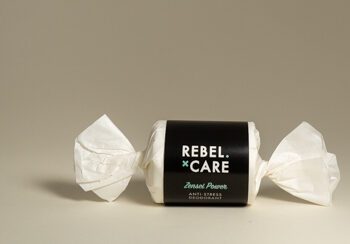
Refillable systems represent the most effective packaging solution. Instead of buying new containers repeatedly, you keep the original packaging and refill it with product only. This dramatically reduces packaging waste per use.
Regular packaging prioritises shelf appeal and cost over environmental impact. It often uses multiple layers of different materials that can’t be separated for recycling, making the entire package destined for landfill.
Why do refillable products matter for the environment?
Refillable products reduce packaging waste by up to 80% compared to traditional single-use containers. They also lower transportation emissions because refills require less packaging material and take up less space during shipping, reducing the carbon footprint of each purchase.
The environmental maths are compelling. When you buy a refillable deodorant or face wash, you’re eliminating the need for a new container with every purchase. Over a year, this can mean preventing dozens of plastic containers from entering the waste stream.
Refill systems support circular economy principles by keeping materials in use longer. Instead of the linear “make, use, dispose” model, refillable products follow a “make, use, refill, reuse” cycle that maximises resource efficiency.
Transportation benefits add up quickly. Refill pouches are lighter and more compact than full-sized products, meaning more units fit in each shipment. This reduces fuel consumption and emissions per product delivered.
Long-term cost savings make refillable systems more accessible, encouraging more people to choose environmentally friendly options. When sustainable choices are also economical choices, adoption rates increase significantly.
The cumulative effect matters most. If more men switch to refillable grooming products, the collective impact on packaging waste and emissions becomes substantial.
How can men make more sustainable grooming choices?
Choose products with short ingredient lists featuring recognisable plant-based components, look for refillable options, and select brands that use recyclable or biodegradable packaging. Reading labels helps you avoid harmful chemicals while supporting companies with genuine environmental commitments.
Start by examining ingredient lists. Natural skincare for men should feature ingredients you can pronounce and understand. Look for plant oils, botanical extracts, and minerals rather than long chemical names. This approach helps you avoid both harmful chemicals and environmentally damaging synthetic ingredients.
Certifications provide helpful guidance, but they’re not everything. Look for cruelty-free symbols, organic certifications, and sustainability credentials. However, smaller brands doing good work might not have expensive certifications, so ingredient transparency matters more than logos.
Packaging assessment should influence your choices. Prioritise refillable systems, recyclable containers, and minimal packaging. Avoid products with excessive plastic wrapping or multiple layers of packaging materials.
Consider the full lifecycle of your grooming routine. How long do products last? Can containers be repurposed? Does the brand offer take-back programmes or refill services? These factors affect your overall environmental impact.
Quality matters for sustainability. Better products last longer and work more effectively, meaning you use less product overall. Investing in sustainable grooming products that perform well reduces waste and saves money long-term.
Building sustainable grooming habits doesn’t require perfection. Start with one or two product swaps and gradually transition your routine. Small, consistent changes create lasting environmental benefits.
The environmental impact of natural skincare for men extends far beyond individual choices. When you choose products with biodegradable ingredients, sustainable packaging, and refillable systems, you’re supporting manufacturing practices that protect water systems and reduce pollution. At Rebel.Care, we’ve built our entire approach around these principles because we believe better grooming shouldn’t cost the earth. Your daily routine becomes part of the solution rather than part of the problem.
Frequently Asked Questions
How do I transition from conventional to natural skincare without breaking my budget?
Start by replacing one product at a time as your current ones run out, rather than switching everything at once. Focus on multi-purpose products like a natural face wash that can also work as a body wash, and prioritize refillable options which offer better long-term value despite higher upfront costs.
Are natural skincare products actually as effective as conventional ones for men's specific skin concerns?
Yes, natural ingredients can be highly effective for men's skin concerns. Plant-based ingredients like tea tree oil for acne, witch hazel for razor burn, and jojoba oil for moisturizing often work as well as or better than synthetic alternatives, plus they're gentler on sensitive skin that's been irritated by daily shaving.
What should I do with my empty natural skincare containers to maximize their environmental benefit?
First check if the brand offers a refill program or take-back scheme. If not, clean containers thoroughly and recycle according to your local guidelines. Glass containers can often be repurposed for storage, while some plastic containers work well for travel-sized portions of other products.
How can I tell if a 'natural' skincare brand is genuinely eco-friendly or just greenwashing?
Look for specific details about their sourcing, manufacturing processes, and packaging materials rather than vague environmental claims. Genuine eco-friendly brands will clearly list biodegradable ingredients, explain their sustainable practices, and offer concrete solutions like refills or recyclable packaging.
What's the biggest mistake men make when switching to natural skincare?
The biggest mistake is expecting immediate results or using too much product. Natural skincare often takes 2-4 weeks to show full benefits as your skin adjusts, and natural products are typically more concentrated than conventional ones, so you need less product per application.
Do natural skincare products work in different climates and weather conditions?
Natural products can be highly adaptable to different climates, but you may need to adjust your routine seasonally. In humid conditions, lighter plant oils work better, while dry climates may require richer botanical ingredients. Many natural brands offer seasonal formulations or guidance for climate-specific use.
How do I find refillable natural skincare options if they're not available in my local stores?
Many natural skincare brands offer direct-to-consumer refill programs through their websites, even if local stores don't stock refills. You can also contact brands directly to ask about refill options, as some offer bulk refill services or subscription programs that aren't widely advertised.