Home / Blog / Deodorants / What is zero-waste deodorant?
What is zero-waste deodorant?
Chemical reviewed by Eric
Written by the Rebel.Care Editorial Team
Last updated 12/09/2025
Zero-waste deodorant represents a comprehensive approach to personal care that minimises environmental impact through sustainable packaging, natural biodegradable ingredients, and eco-conscious manufacturing processes. Unlike conventional deodorants, these products eliminate single-use plastics, avoid harmful chemicals, and often feature refillable systems that reduce waste throughout their entire lifecycle.
Understanding zero-waste deodorant and its environmental impact
Zero-waste deodorant goes far beyond simply removing aluminium from the formula. It’s a complete rethinking of how personal care products interact with our environment from production to disposal.
Traditional deodorants create waste at every stage. The manufacturing process relies on synthetic chemicals that require energy-intensive production. The packaging typically involves multiple layers of plastic, metal, and cardboard that rarely get properly recycled. Even the ingredients themselves often contain compounds that don’t break down naturally in water systems.
Zero-waste alternatives flip this approach entirely. They use plant-based ingredients that biodegrade safely, packaging made from renewable materials like sugarcane-based bioplastics, and manufacturing processes designed to minimise carbon footprint. The goal isn’t just to reduce waste, but to create products that work within natural cycles rather than against them.
The environmental impact difference is significant. Where conventional deodorants contribute to microplastic pollution and chemical runoff, sustainable personal care products support soil health and water quality. They’re designed to nourish rather than deplete the systems they touch.
What ingredients make a deodorant truly zero-waste?
The ingredient list tells the real story of whether a deodorant deserves the zero-waste label. Natural deodorant formulations rely on biodegradable components that work with your body’s natural processes.
Coconut oil and shea butter provide the base for most zero-waste formulas. These plant-derived ingredients moisturise skin whilst creating a protective barrier against odour-causing bacteria. They break down completely in natural environments without leaving harmful residues.
Mineral salts like potassium alum offer natural antimicrobial properties without blocking pores. Unlike synthetic preservatives, these naturally occurring compounds don’t accumulate in water systems or disrupt hormonal balance.
Essential oils replace synthetic fragrances, providing pleasant scents through concentrated plant extracts. Tea tree oil, lavender, and eucalyptus not only smell great but offer additional antibacterial benefits. Baking soda alternatives like magnesium hydroxide neutralise odours without causing skin irritation that some people experience with sodium bicarbonate.
Corn starch and arrowroot powder absorb moisture naturally, keeping you dry without synthetic antiperspirant chemicals. These ingredients decompose completely, feeding soil microorganisms rather than poisoning them.
How does zero-waste deodorant packaging reduce environmental waste?
Packaging innovation drives the zero-waste movement forward. Plastic-free deodorant options eliminate the billions of plastic tubes that end up in landfills and oceans every year.
Refillable containers represent the gold standard for sustainable packaging. Instead of throwing away entire products, you simply replace the deodorant stick whilst keeping the durable outer case. This system can reduce packaging waste by up to 90% over a product’s lifetime.
Compostable tubes made from cardboard or plant-based materials offer another solution. These containers break down completely in home composting systems, turning waste into nutrient-rich soil amendment. Some brands use innovative materials like mycelium (mushroom root) packaging that literally grows into the perfect shape.
Bioplastic containers made from agricultural waste like sugarcane create packaging that looks and feels like conventional plastic but decomposes safely. These materials capture carbon during growth and release it slowly during decomposition, creating a carbon-neutral cycle.
Minimal packaging design eliminates unnecessary layers, boxes, and wrapping. Many eco-friendly deodorant brands ship products in simple, recyclable mailers without excess materials that just create more waste.
What is the difference between zero-waste and aluminum-free deodorant?
This distinction matters more than most people realise. Aluminium-free deodorant addresses one specific health concern, whilst zero-waste products tackle the entire environmental and health picture.
Aluminium-free deodorants simply remove aluminium salts from their formulas. These products might still contain synthetic fragrances, petroleum-based ingredients, and plastic packaging. They solve the aluminium problem but ignore broader sustainability issues.
Zero-waste deodorants naturally exclude aluminium but go much further. They examine every ingredient for environmental impact, biodegradability, and health effects. The packaging receives equal attention, with systems designed to eliminate waste rather than just reduce one harmful ingredient.
You can find aluminium-free deodorants in conventional plastic packaging filled with synthetic ingredients. These products might be safer for your armpits but they’re not necessarily better for the planet. Zero-waste options consider your health and environmental health as interconnected challenges requiring comprehensive solutions.
The manufacturing process also differs significantly. Zero-waste brands typically prioritise local production, renewable energy, and transparent supply chains. Aluminium-free products might still rely on industrial manufacturing processes that generate significant environmental costs.
Why should men choose zero-waste deodorant for daily grooming?
Men’s grooming routines create substantial environmental impact, but switching to sustainable personal care offers benefits beyond environmental responsibility.
Skin health improves dramatically with natural formulations. Synthetic ingredients in conventional deodorants can cause irritation, especially for men who shave their underarms or have sensitive skin. Plant-based ingredients actually nourish skin whilst providing effective odour protection.
Cost savings add up quickly with refillable deodorant systems. Instead of buying entirely new products every few months, you purchase refills at significantly reduced prices. The initial investment pays for itself within a few cycles.
Performance matches or exceeds conventional products. Modern zero-waste formulations provide all-day protection without compromising effectiveness. Many men report better odour control and less skin irritation after making the switch.
Environmental impact reduction becomes tangible when you consider the numbers. The average person uses dozens of deodorant containers throughout their lifetime. Switching to zero-waste alternatives prevents hundreds of plastic containers from entering waste streams.
Supporting sustainable manufacturing practices sends market signals that encourage more brands to adopt environmentally responsible approaches. Your purchasing decisions directly influence industry standards and innovation.
Making the switch to sustainable personal care choices
Transitioning to zero-waste deodorant requires some planning, but the process is straightforward once you understand what to expect.
Your body needs time to adjust when switching from conventional to natural deodorant. Synthetic antiperspirants alter your skin’s bacterial balance and sweat production. Expect a brief adjustment period as your body rebalances its natural processes.
Start the transition during cooler weather or less stressful periods when increased sweating won’t cause problems. Give yourself at least two weeks to fully adapt to the new formula.
Choose products based on your specific needs rather than marketing claims. Men with sensitive skin should look for baking soda-free formulations. Those who sweat heavily might prefer stronger essential oil blends or mineral salt-based formulas.
Consider the complete system when selecting products. Refillable deodorant options provide better long-term value and environmental benefits, but require commitment to the brand’s refill programme.
Application technique matters with natural formulations. Allow the product to warm slightly against your skin before applying. This ensures smooth application and better coverage.
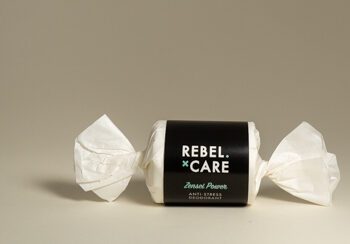
At Rebel.Care, we’ve designed our deodorant system around these principles, offering natural protection through sustainable packaging and refillable options that make zero-waste living practical for everyday routines.