Home / Blog / Deodorants / How do refill systems reduce carbon footprint for personal care?
How do refill systems reduce carbon footprint for personal care?
Chemical reviewed by Eric
Written by the Rebel.Care Editorial Team
Last updated 18/11/2025
Refill systems reduce carbon footprint by eliminating repeated packaging production, cutting manufacturing energy, and decreasing transport emissions through lighter shipments. Instead of buying new containers each time, you keep one durable container and purchase only the product refills. This approach dramatically reduces the environmental impact of personal care routines whilst maintaining product quality and effectiveness.
What exactly is a refill system for personal care products?
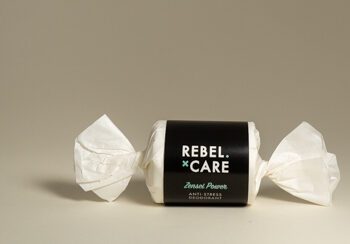
A refill system lets you purchase product refills instead of buying new containers every time you run out. You invest in one durable container upfront, then buy concentrated or full-size refills that come in minimal packaging. For products like deodorants, body wash, and face wash, you simply pour or insert the refill into your existing container.
This differs from traditional purchasing where each product comes in its own complete packaging. With refills, you’re buying the same quality product without the environmental cost of manufacturing new containers each time. The container you keep is built to last through multiple refills, often made from sustainable materials that can withstand repeated use.
Refill systems matter because packaging accounts for a significant portion of personal care products’ environmental impact. By keeping the same container, you eliminate the energy and resources needed to produce, transport, and dispose of new packaging. It’s a practical way to reduce waste in your daily grooming routine without compromising on the products you need.
The mechanics are straightforward. You receive refills in lightweight packaging or concentrated formats. Some systems use pouches, others use recyclable containers designed specifically for transferring contents. The process takes seconds and fits naturally into your routine.
How do refill systems actually lower carbon emissions?
Refill systems cut carbon emissions through three main mechanisms: reduced manufacturing energy, lighter transport loads, and eliminated packaging production. Manufacturing a new container requires extracting raw materials, processing them, and forming the final product. Each step consumes energy and releases emissions. Refills skip most of this process entirely.
Transportation emissions drop because refills weigh considerably less than full packaged products. A refill pouch or concentrated format might weigh 70-80% less than a complete product in traditional packaging. Lighter shipments mean lower fuel consumption per unit delivered, whether that’s by lorry, ship, or plane.
The cumulative impact across a product’s lifecycle is substantial. Consider using the same deodorant container for a year with monthly refills. That’s eleven containers you didn’t manufacture, transport, or dispose of. Multiply this across thousands of users and multiple product types, and the carbon footprint reduction becomes significant.
Packaging production itself is energy-intensive. Plastic containers require petroleum extraction and processing. Glass demands high-temperature furnaces. Even bioplastics need agricultural inputs and manufacturing energy. By reusing one container, you avoid repeating these processes monthly or weekly throughout the year.
The environmental benefit compounds over time. The longer you use your refillable container, the greater the carbon savings compared to traditional purchasing. After just three or four refills, you’ve typically offset the environmental cost of the original container and moved into net positive territory for carbon reduction.
Why does packaging matter so much for environmental impact?
Packaging represents a disproportionate share of personal care products’ environmental footprint because it involves resource extraction, energy-intensive manufacturing, heavy transportation, and disposal challenges. For many grooming products, the container’s environmental cost exceeds the product formula itself.
Material extraction starts the environmental impact chain. Plastic packaging requires petroleum drilling and refining. Aluminium needs bauxite mining and smelting, one of the most energy-intensive industrial processes. Glass demands sand extraction and furnaces reaching 1,500°C. Each material path carries significant carbon costs before manufacturing even begins.
Manufacturing processes amplify the impact. Forming plastic containers involves heating, moulding, and cooling. Glass production requires sustained high temperatures. Metal containers need stamping or forming. These processes consume substantial energy, typically from fossil fuel sources, adding to the carbon footprint of each package produced.
Transportation weight matters more than most people realise. A full product in traditional packaging might be 60-70% packaging by weight. You’re essentially paying environmental costs to ship empty containers around the world. This weight translates directly to fuel consumption and emissions across supply chains.
Disposal challenges close the loop poorly. Most personal care packaging ends in landfills or incinerators, even when technically recyclable. Contamination from product residue, mixed materials, and limited recycling infrastructure mean actual recycling rates remain low. Single-use packaging creates a continuous stream of waste requiring management.
Packaging waste reduction through refill systems addresses all these issues simultaneously. One durable container replaces dozens of single-use packages, cutting environmental impact at every stage from extraction through disposal.
Can refillable grooming products maintain the same quality as traditional options?
Refillable grooming products maintain identical quality to traditional options because the formula inside doesn’t change based on packaging type. The product you refill with is the same formulation you’d get in a new container. Quality depends on ingredients and manufacturing, not whether it’s a first purchase or a refill.
Concerns about freshness are understandable but unfounded with proper container design. Modern refillable containers seal effectively to protect contents from air, moisture, and contamination. Many designs actually offer better protection than traditional packaging because they’re built for durability rather than single-use convenience.
For men’s natural deodorant and other personal care items, effectiveness remains consistent across refills. Natural ingredients maintain their properties when stored in quality containers. The key is using containers designed specifically for the product type, with appropriate seals and materials that don’t react with the formula.
Manufacturing processes for refills often match or exceed standards for traditionally packaged products. The formula comes from the same production facility using identical quality control measures. You’re simply receiving it in different packaging designed for transfer rather than long-term storage and display.
Container hygiene is straightforward. A quick rinse between refills keeps your container clean. Most refillable products are designed to be used until empty, minimising any mixing of old and new product. The container itself doesn’t degrade or affect product quality through multiple refill cycles when made from appropriate materials.
If you’re exploring sustainable personal care options, you can browse natural grooming products designed specifically for refill systems without quality compromises.
What makes bioplastic containers better for refill programs?
Bioplastic containers excel in refill programmes because they combine durability for repeated use with reduced petroleum dependency and better end-of-life options. Unlike conventional plastics derived from fossil fuels, bioplastics come from renewable resources like sugarcane, corn starch, or cellulose. This shift in source material significantly lowers the carbon footprint of container production.
Durability matters for refillable containers because they need to withstand multiple refill cycles without degrading. Quality bioplastics match conventional plastics for strength and longevity whilst offering environmental advantages. They resist cracking, maintain seal integrity, and protect contents effectively through dozens of uses.
The composability of certain bioplastics provides options at end-of-life that traditional plastics can’t match. When a bioplastic container finally reaches the end of its useful life after many refills, some types can break down in industrial composting facilities rather than persisting in landfills for centuries. This creates a more circular approach to materials.
Reduced petroleum dependency addresses a fundamental environmental concern. Traditional plastic production consumes fossil fuels both as raw material and energy source. Bioplastics shift this equation, using renewable agricultural inputs that can be replanted. This doesn’t eliminate environmental impact, but it changes the nature of resource consumption.
For eco-friendly grooming routines, bioplastic containers amplify the benefits of refill systems. You’re not just reducing packaging waste through refills; you’re using containers with lower production emissions and better disposal options. The combination creates meaningful environmental improvement compared to traditional packaging approaches.
Material selection for refillable containers affects the overall sustainability equation. Bioplastics represent one option among several, including recycled conventional plastics and other sustainable materials. The best choice depends on durability requirements, product compatibility, and available end-of-life infrastructure in your location.
Whether you’re concerned about carbon footprint or simply want practical grooming solutions that don’t create unnecessary waste, refill systems offer a straightforward path forward. They work because the concept is simple: make the container once, use it repeatedly, and focus resources on the product that actually matters. At Rebel.Care, we’ve built our approach around this principle, offering refills for deodorants, body wash, and face wash that reduce environmental impact without asking you to compromise on quality or convenience. It’s better products delivered more intelligently, for all men who’d rather not contribute to unnecessary waste.
Frequently Asked Questions
How do I clean my refillable container between refills?
Simply rinse your container with warm water when it's nearly empty, then let it air dry completely before adding your refill. For deeper cleaning every few months, use mild soap and water, ensuring all residue is removed and the container is thoroughly dried. Most refillable containers are designed to be used until empty, so you won't be mixing significant amounts of old and new product.
Are refill pouches themselves recyclable or do they create waste?
Most refill pouches use significantly less material than traditional containers and many are recyclable through specialized programs, though local recycling capabilities vary. Even when not recyclable, refill pouches generate 70-80% less waste by weight compared to full packaging. Check with your specific brand for their pouch recycling partnerships or return programs, as many companies now offer mail-back options for proper disposal.
How many refills does a container typically last before needing replacement?
Quality refillable containers are designed to last for years with proper care, typically handling 20-50+ refills depending on the material and product type. Bioplastic and durable plastic containers can easily serve you for 2-3 years of regular use. The container only needs replacement if it cracks, loses seal integrity, or shows signs of wear that might affect product quality.
Is switching to refills actually more cost-effective than buying regular products?
Yes, refills typically cost 15-30% less than purchasing the same product in new packaging because you're not paying for repeated container manufacturing and the associated costs. While there's an initial investment in the durable container, this is usually offset after 2-3 refills. Over a year, most users save money while reducing environmental impact, making it both economically and ecologically beneficial.