Home / Blog / Deodorants / How does a refillable deodorant help the environment?
How does a refillable deodorant help the environment?
Chemical reviewed by Eric
Written by the Rebel.Care Editorial Team
Last updated 16/12/2025
Refillable deodorant helps the environment by drastically cutting plastic waste, reducing carbon emissions from manufacturing and transport, and conserving natural resources throughout the product lifecycle. Instead of throwing away entire containers after each use, you keep one durable case and only replace the inner refill. This simple shift means less plastic in landfills, fewer production cycles, and a smaller carbon footprint from your daily grooming routine.
What makes refillable deodorant better for the planet than regular deodorant?
Refillable deodorant reduces plastic waste by up to 90% compared to traditional single-use containers. You buy one durable case made from recyclable materials and simply replace the inner refill when it runs out. This means fewer complete packages manufactured, transported, and discarded throughout the year.
The lifecycle comparison shows the real difference. Regular deodorant requires manufacturing a new plastic case, cap, and applicator mechanism for every purchase. That’s multiple components using virgin plastic, energy-intensive moulding processes, and packaging materials for each unit. With refillable systems, you’re only replacing the actual product inside whilst keeping the outer case for years.
Manufacturing one refillable case designed for long-term use takes more initial resources than a single disposable container. But that investment pays off quickly. After just three refills, you’ve already saved more plastic and energy than continuing with throwaway options. The environmental footprint shrinks with each subsequent refill you purchase.
The waste reduction extends beyond the obvious plastic savings. Refill pouches typically use compostable or recyclable materials that break down far easier than traditional deodorant packaging. Some brands even offer refills in biodegradable packaging that you can dispose of without guilt, knowing it won’t sit in a landfill for centuries.
How much plastic waste does switching to refillable deodorant actually save?
A typical person uses four to six deodorants yearly. Each traditional stick generates roughly 50 grams of plastic waste from the case, cap, and dial mechanism. That’s 200-300 grams of plastic per person annually, just from deodorant. Multiply that across millions of users, and you’re looking at thousands of tonnes of unnecessary plastic waste.
Switching to a refillable system eliminates this repeated waste cycle. You purchase one case weighing around 60 grams, then buy refills that use minimal packaging. Each refill prevents approximately 50 grams of plastic from entering the waste stream. Over five years of use, one person switching to refillable deodorant keeps roughly one kilogram of plastic out of landfills and oceans.
The cumulative impact grows exponentially when more people make the switch. If just 1,000 people in your city chose refillable options, that’s a tonne of plastic waste avoided annually. Scale that to national or global levels, and refillable deodorant systems become a meaningful solution to the personal care industry’s plastic problem.
Refill programmes also change purchasing behaviour in helpful ways. Because you’re investing in a quality case upfront, you’re more likely to stick with one brand and system. This reduces impulse purchases and the waste that comes from trying multiple products that don’t work out. You’re making a commitment to both your routine and the planet.
Why do refillable deodorants use less energy and resources to produce?
Manufacturing refills requires significantly less energy than producing complete deodorant units. The outer case contains the most complex components: the twist mechanism, the cap closure system, and the structural body. These parts need precision moulding, assembly, and quality control. Refills are simpler, they’re essentially the product itself with minimal packaging.
Transportation efficiency adds another layer of resource conservation. Refill pouches weigh less and pack more densely than full deodorant containers. You can fit three to four times more refills in the same shipping space compared to complete units. This means fewer delivery vehicles on roads, lower fuel consumption, and reduced emissions per product delivered.
The production cycle itself becomes more efficient with refillable systems. Manufacturers can focus on producing durable, high-quality cases less frequently whilst ramping up refill production. This specialisation leads to better resource allocation, less waste in manufacturing processes, and more streamlined supply chains that benefit both the business and environment.
Local manufacturing makes even more difference for sustainability. When brands produce refills closer to their markets, transportation distances shrink dramatically. A refill made in Amsterdam and sold in the Netherlands has a fraction of the carbon footprint compared to products manufactured overseas and shipped globally. Supporting locally-made refillable options amplifies your environmental impact.
Are refillable deodorants as effective while being environmentally friendly?
Refillable deodorants work just as well as traditional options when formulated properly. The delivery system doesn’t affect the formula’s effectiveness. What matters is the quality of ingredients and how they’re combined to neutralise odour and keep you fresh throughout the day.
Many refillable systems actually use better ingredients than conventional deodorants. Brands committed to sustainability often prioritise natural formulations alongside eco-friendly packaging. You’ll find natural ingredients like coconut oil, shea butter, and mineral salts that work with your body rather than against it. These ingredients effectively control odour without blocking your pores or disrupting your skin’s natural processes.
The effectiveness question usually stems from confusion about natural versus synthetic ingredients. Aluminium-based antiperspirants physically block sweat glands, whilst natural deodorants neutralise odour-causing bacteria. Both approaches work, they just function differently. Natural refillable options let your body sweat normally whilst preventing the smell, which many people find healthier and more comfortable.
Your skin might need a brief adjustment period when switching from conventional to natural refillable deodorant. This transition typically lasts a few days to two weeks as your body adapts. Once past this phase, you’ll find that quality natural formulations keep you fresh all day without compromise. You’re not sacrificing effectiveness for sustainability, you’re getting both.
Performance also depends on choosing the right formula for your needs. Whether you’ve got sensitive skin, live an active lifestyle, or prefer specific scents, there’s a refillable option that works. The key is finding a brand that formulates thoughtfully and stands behind their products with transparent ingredient lists and honest performance claims.
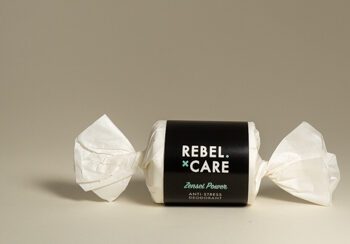
At Rebel.Care, we’ve designed our refillable deodorant system to deliver both environmental responsibility and all-day freshness. Our Amsterdam-manufactured formulas use 100% natural ingredients in sustainable bioplastic cases, with refills that significantly reduce waste. You’re not choosing between effectiveness and sustainability, you’re getting premium natural protection that’s better for you and the planet. Because taking care of yourself shouldn’t come at the earth’s expense.
Frequently Asked Questions
How long does a refillable deodorant case typically last before needing replacement?
A quality refillable deodorant case should last 3-5 years or longer with proper care. The durable materials used in these cases are designed for repeated use, and the twist mechanism is built to withstand hundreds of refill changes. Only replace the case if it becomes damaged or the mechanism stops working smoothly.
Can I travel with refillable deodorant, or will it leak in my luggage?
Refillable deodorants are generally travel-friendly and designed with secure closures to prevent leaking. The solid formulas used in most refillable systems are actually more convenient for air travel than liquid deodorants since they don't count toward your liquid allowance. Just ensure the cap is properly closed, and consider storing it upright in a toiletry bag for extra protection.
Are refillable deodorants more expensive in the long run?
While the initial investment is higher (typically £15-25 for a case), refillable deodorants become more economical over time. Refills usually cost £6-10, which is comparable to or cheaper than quality traditional deodorants. After your first year of use, you'll likely save money while reducing waste, making it both an economical and environmental win.
What if I have sensitive skin - will natural refillable deodorants irritate me?
Many people with sensitive skin actually find natural refillable deodorants gentler than conventional options since they avoid harsh chemicals, synthetic fragrances, and aluminum compounds. Look for formulas specifically labeled for sensitive skin, featuring soothing ingredients like chamomile, calendula, or colloidal oatmeal. Patch test any new product on your inner arm before full application, and give your skin the adjustment period mentioned in the post.