Home / Blog / Deodorants / How do refillable deodorants support circular economy principles?
How do refillable deodorants support circular economy principles?
Chemical reviewed by Eric
Written by the Rebel.Care Editorial Team
Last updated 15/01/2026
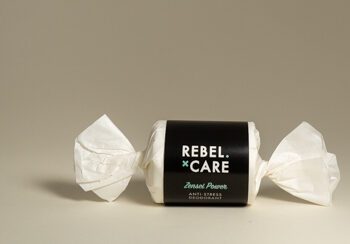
Refillable deodorants support circular economy principles by keeping packaging materials in continuous use rather than following the traditional take-make-dispose model. They separate the permanent container from the consumable product, allowing you to reuse the same case multiple times whilst only replacing the deodorant itself. This approach reduces waste, conserves resources, and creates a closed-loop system where materials serve their purpose for years instead of ending up in landfill after a single use.
What makes refillable deodorants different from traditional packaging?
Refillable deodorants use a two-part system that separates the permanent outer case from the replaceable inner refill. You buy the case once and keep reusing it, whilst the refills contain only the deodorant product with minimal packaging. Traditional deodorants combine both elements into single-use containers that you throw away entirely when empty.
The permanent cases are typically made from durable materials like recycled plastic or bioplastic derived from renewable sources such as sugarcane. These containers are designed to last for years of regular use. The refills themselves use significantly less material, often employing compostable or recyclable options that reduce environmental impact.
This design eliminates the need to repeatedly manufacture, transport, and dispose of complete packaging units. Instead of buying a new plastic tube or aerosol can every few weeks, you’re simply replacing the product inside a container you already own. The mechanism is straightforward—most systems use a push-up design or twist mechanism that makes swapping refills quick and mess-free.
The construction quality matters here. Refillable systems need robust cases that withstand daily handling without cracking or breaking. That’s why manufacturers focus on materials that balance durability with sustainability, creating containers that remain functional through dozens of refill cycles whilst still being recyclable at end of life.
How do refillable deodorants reduce waste in personal care routines?
Switching to refillable deodorant cuts your packaging waste by roughly 80-90% over time. You’re eliminating the outer case, cap, and excess materials from every subsequent purchase. That single reusable container replaces what would otherwise be ten, twenty, or fifty disposable units throughout its lifespan.
The waste reduction becomes clear when you compare lifecycles. A traditional deodorant stick generates waste every 4-6 weeks when you finish it and bin the entire thing. With refillable systems, that same timeframe only produces a small refill cartridge, often made from materials that break down naturally or get recycled more easily than conventional packaging.
Plastic consumption drops dramatically because you’re not buying new caps, outer shells, and decorative packaging repeatedly. Many refillable deodorant brands design their refills using paper-based or compostable materials that decompose within months rather than persisting for centuries in landfill. This shift addresses one of personal care’s biggest environmental problems—the millions of plastic deodorant containers discarded annually.
The cumulative effect matters more than individual purchases. One person using refillable deodorant for five years prevents dozens of plastic containers from entering waste streams. Multiply that across households and communities, and you’re looking at meaningful reduction in the plastic pollution that clogs waterways and damages ecosystems.
Why does switching to refillable deodorant matter for resource conservation?
Refillable deodorant systems conserve raw materials by extending the useful life of packaging components. Manufacturing one durable case requires resources upfront, but that investment gets spread across years of use. Compare this to repeatedly extracting virgin plastic or aluminium for new containers every month—the resource savings become substantial.
The manufacturing energy required drops significantly when you’re only producing lightweight refills instead of complete units. Factories don’t need to mould new cases, print new labels, or assemble new caps for every purchase. This streamlined production means less electricity consumption, reduced factory emissions, and more efficient use of manufacturing capacity.
Transportation impacts shrink because refills weigh less and pack more efficiently than full deodorant units. Delivery vehicles can carry more refills in the same space, reducing fuel consumption per item delivered. For brands manufacturing locally, like those operating in Amsterdam, shorter supply chains further minimize the carbon footprint associated with getting products to customers.
Resource conservation extends beyond the obvious materials. Water usage in manufacturing decreases, chemical inputs for producing virgin plastics drop, and the energy-intensive processes of mining and refining raw materials happen less frequently. You’re essentially getting more utility from fewer resources—exactly what sustainable consumption should achieve.
What role do refillable products play in closing material loops?
Refillable deodorants embody circular economy principles by keeping materials in productive use for extended periods. Instead of the linear path where resources become products that quickly become waste, refillable systems create loops where the same container serves its purpose repeatedly. This design-out-waste approach addresses the fundamental flaw in disposable product models.
The closed-loop system works because durability is built into the initial design. Manufacturers create cases meant to withstand years of daily use, which requires thinking beyond single-use functionality. When those cases eventually reach end-of-life, many brands accept them back for proper recycling or repurposing, truly closing the material loop rather than just delaying disposal.
This contrasts sharply with traditional take-make-dispose models where each purchase represents a new extraction of resources and a future waste problem. Refillable systems demonstrate that personal care products don’t need to be inherently wasteful. You can maintain your grooming routine whilst participating in regenerative systems that minimize environmental harm.
The broader impact comes from normalizing reuse in categories traditionally dominated by disposables. When refillable deodorants become standard rather than niche, they shift consumer expectations and industry practices. Other personal care products follow similar patterns—body wash, face wash, and various grooming essentials can all adopt refillable models that keep packaging in circulation rather than sending it to landfill.
Material longevity creates value beyond environmental benefits. You’re not paying for new packaging repeatedly, which makes refillable options more economical over time. The financial incentive aligns with environmental responsibility, making sustainable choices accessible rather than positioning them as premium sacrifices. That alignment helps circular economy principles spread from early adopters to mainstream routines.
At Rebel.Care, we’ve built our approach around these circular economy principles. Our refill programme for deodorants uses sustainable packaging made from bioplastic and recyclable materials, manufactured right here in Amsterdam. We’re making it straightforward for you to reduce waste without compromising on quality or convenience. Explore our refillable deodorant options and see how simple it is to shift from disposable to regenerative personal care that actually works.
Frequently Asked Questions
How long does a refillable deodorant case typically last before needing replacement?
A well-made refillable deodorant case should last 3-5 years with regular daily use, though many high-quality cases can function even longer. The durability depends on the material quality and how carefully you handle it during refill swaps. When the case eventually shows signs of wear like cracks or a loose mechanism, most brands offer recycling programs where you can return it for proper material recovery.
Are refillable deodorants actually cheaper in the long run?
Yes, refillable deodorants typically become more cost-effective after your third or fourth refill purchase. While the initial case investment is higher than buying a traditional deodorant, refills cost significantly less since you're only paying for the product itself without packaging overhead. Over a year of use, most people save 20-30% compared to repeatedly buying conventional deodorants, with savings increasing the longer you use the system.
Can I use refills from different brands with my existing refillable deodorant case?
Unfortunately, most refillable deodorant systems are brand-specific and not interchangeable due to different sizing and mechanism designs. Each brand engineers their refills to fit their particular case design, so mixing brands typically won't work. This is why it's important to choose a refillable brand you trust and want to stick with long-term, considering factors like scent options, ingredient quality, and refill availability.
How do I properly dispose of or recycle deodorant refill cartridges?
Disposal methods depend on the refill material—compostable cardboard or paper-based refills can go in your compost bin or paper recycling, while bioplastic refills may need specialized recycling facilities. Check the refill packaging for specific disposal instructions, and look for brands that offer take-back programs where you can mail empty refills back for proper processing. Never place compostable materials in regular plastic recycling, as this contaminates recycling streams.