Home / Blog / Deodorants / What impact do refillable deodorants have on ocean plastic pollution?
What impact do refillable deodorants have on ocean plastic pollution?
Chemical reviewed by Eric
Written by the Rebel.Care Editorial Team
Last updated 02/01/2026
Refillable deodorants significantly reduce ocean plastic pollution by eliminating the need for single-use containers that often end up in marine environments. Traditional deodorant packaging contributes to the millions of tonnes of plastic waste entering our oceans each year through landfill leakage and improper disposal. By switching to refillable systems, you keep durable outer cases whilst replacing only the inner product, cutting your personal care plastic waste by up to 90%. When more people make this switch, the collective impact creates measurable reduction in plastic pollution threatening marine life.
How does plastic from personal care products end up in the ocean?
Your bathroom bin connects to the ocean more directly than you’d think. When you toss an empty deodorant container, it typically heads to landfill where plastic gradually breaks down into smaller pieces. Rain and wind carry these fragments into waterways, which eventually flow to the sea. Personal care packaging is particularly problematic because most recycling facilities can’t process small containers efficiently.
The numbers are sobering. Millions of tonnes of plastic enter our oceans annually, and personal care products make up a significant portion. Deodorant containers, body wash bottles, and similar packaging often contain mixed materials that recycling systems struggle to separate. Even when you put them in the recycling bin, many end up in landfill anyway.
The pathway works like this: your discarded deodorant stick sits in landfill, exposed to weather. Over months and years, it fragments into microplastics. These tiny pieces leach into groundwater or get blown into storm drains. From there, they travel through rivers and streams straight to marine environments. The plastic doesn’t disappear, it just gets smaller and spreads further.
Traditional deodorant packaging compounds the problem because we use it so frequently. You’ll go through several containers yearly, each adding to the waste stream. The aluminium and plastic combinations in standard packaging make recycling nearly impossible, meaning most containers never get a second life.
What makes refillable deodorant different from regular packaging?
Refillable deodorant systems flip the disposal model completely. Instead of throwing away the entire container when you’re done, you keep a durable outer case and replace only the product inside. The case is built to last years, often made from recycled materials or bioplastics derived from renewable sources like sugarcane.
Regular deodorant packaging combines plastic, aluminium, and sometimes mixed materials in a single unit. You twist it up, use the product, and bin the whole thing. The materials can’t be separated for recycling, so they head straight to landfill. This single-use approach treats packaging as disposable, creating waste with every purchase.
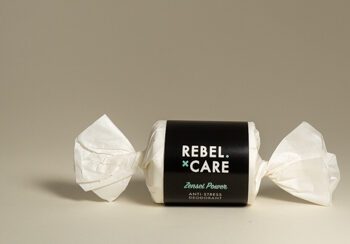
Refillable systems work differently. You buy the case once, then purchase refills that use minimal packaging. The refill inserts often come in compostable materials or simple cardboard, dramatically reducing plastic use. Some brands offer refills in paper-based packaging that breaks down naturally, unlike conventional containers that persist for centuries.
The shift represents a fundamental change in how you consume personal care products. Instead of disposable convenience, you’re choosing reusable quality. The outer case becomes something you maintain, whilst the refills provide fresh product without the waste. It’s the difference between buying a new coffee cup daily versus refilling one you own.
Materials matter too. Traditional packaging relies heavily on virgin plastic and aluminium. Refillable options increasingly use recycled content or plant-based alternatives that have lower environmental impact. When you explore sustainable grooming options, you’ll find systems designed specifically to minimise waste whilst maintaining product quality.
How much plastic waste can switching to refillable deodorant actually prevent?
The numbers add up quickly when you calculate your personal impact. An average person uses one deodorant container every two to three months, meaning four to six containers yearly. Each standard deodorant container weighs roughly 50 grams of plastic and mixed materials. That’s 200-300 grams of packaging waste per person annually from deodorant alone.
Switching to refillable deodorant cuts this waste by approximately 90%. You’re left with just the refill packaging, which typically weighs under 10 grams when made from paper or compostable materials. Over a year, that’s a reduction from 300 grams to about 40 grams of waste. The maths is straightforward and the savings are real.
The impact multiplies when you consider long-term use. Over five years, you’d generate 1.5 kilograms of deodorant packaging waste with traditional products. With refillable systems, you’re looking at roughly 200 grams, keeping 1.3 kilograms of plastic out of the waste stream. That’s per person, for just one product category.
Scale this up and the collective effect becomes significant. If a thousand people switch to refillable deodorant, that’s 1,300 kilograms of plastic prevented from entering landfills and potentially reaching oceans. Ten thousand people? 13 tonnes of plastic waste avoided. The individual choice creates exponential impact when adopted widely.
Container weight comparisons tell the story clearly. A traditional deodorant stick in its plastic housing weighs considerably more than a paper-wrapped refill insert. You’re essentially eliminating the permanent packaging component with each purchase after your initial case investment. The reduction isn’t marginal, it’s substantial and measurable.
Why do small changes in grooming habits matter for marine ecosystems?
Ocean plastic doesn’t arrive in one catastrophic dump. It accumulates through millions of small contributions, including your bathroom waste. Marine animals mistake plastic fragments for food, leading to starvation and poisoning. Microplastics from broken-down personal care packaging enter the food chain, affecting everything from plankton to whales.
Your grooming choices matter because personal care products represent a controllable source of plastic pollution. Unlike industrial waste or large-scale shipping debris, this is plastic you directly influence. When you choose refillable deodorant and similar alternatives, you’re removing your contribution from the problem.
The cumulative effect of individual choices creates measurable change. Marine ecosystems face threats from multiple sources, but plastic pollution ranks among the most pervasive. Every container kept out of the waste stream is one less piece potentially fragmenting into microplastics that harm sea life. The connection between your bathroom and the ocean is real and traceable.
Marine wildlife can’t distinguish between food and plastic fragments. Seabirds, turtles, and fish consume pieces of broken-down packaging, filling their stomachs with indigestible material. The plastic from a single deodorant container can break into thousands of microplastic pieces, each capable of being ingested by marine organisms.
Collective adoption of sustainable personal care creates ripple effects beyond waste reduction. It signals market demand for eco-friendly alternatives, encouraging more brands to develop refillable systems. It normalises sustainable choices in daily routines, making them standard rather than exceptional. Small changes in grooming habits, when multiplied across populations, generate significant environmental benefits.
The shift to refillable deodorant represents practical environmental action you can take today. It’s not about perfection, it’s about progress. Each refill you purchase instead of a new container is a choice that supports healthier oceans and reduces plastic pollution at its source.
At Rebel.Care, we’ve built our approach around this reality. Our refillable deodorant system uses bioplastic cases made from sugarcane and minimal refill packaging, keeping your grooming routine effective whilst dramatically reducing ocean-bound plastic. It’s straightforward: better products, less waste, healthier planet.
Frequently Asked Questions
How do I transition to refillable deodorant if I'm used to traditional stick deodorants?
Start by purchasing a refillable deodorant system that includes the outer case and your first refill. Use it exactly as you would a traditional deodorant—the application is identical. When you run out, simply order a refill insert and pop it into your existing case. Most people find the transition seamless, with the only difference being that you're keeping the outer case rather than discarding it.
Are refillable deodorants more expensive than regular deodorants in the long run?
Refillable deodorants typically have a higher upfront cost due to the durable outer case, but they become more cost-effective over time. Refill inserts are generally cheaper than buying complete new units, and since the case lasts for years, you're only paying for the product itself with each purchase. Most users break even within 3-4 refills and save money thereafter.
Can refillable deodorant refills be composted or recycled?
It depends on the brand and packaging materials. Many refillable systems use paper-based or compostable packaging that can break down naturally in home or industrial composting facilities. Check the specific product labeling—some refills come in cardboard that's recyclable, whilst others use certified compostable materials. This is a significant advantage over traditional mixed-material containers that can't be processed at all.
Will refillable deodorant work as effectively as my current brand?
Yes, refillable deodorants are formulated to the same effectiveness standards as traditional options. The delivery system doesn't affect the product's performance—you're simply changing how the deodorant is packaged, not the formula itself. Many refillable brands use natural, high-quality ingredients that work just as well or better than conventional alternatives, offering all-day protection without the packaging waste.