Home / Blog / Deodorants / Can you recycle refillable deodorant packaging?
Can you recycle refillable deodorant packaging?
Chemical reviewed by Eric
Written by the Rebel.Care Editorial Team
Last updated 19/12/2025
Yes, you can recycle most refillable deodorant packaging, though the process depends on the materials used. Outer containers made from bioplastics, aluminium, or standard plastics are typically recyclable through regular programmes, whilst inner refill cartridges vary by composition. Proper recycling requires separating components, removing residue, and checking local guidelines, as not all parts accept the same recycling stream.
What materials are refillable deodorant containers made from?
Refillable deodorant containers use four main materials: bioplastics derived from renewable sources like sugarcane, aluminium that’s infinitely recyclable, glass for premium durability, and standard plastics like polypropylene or polyethylene. The outer shell typically uses more durable materials designed for repeated use, whilst inner refill cartridges often employ lighter, sometimes biodegradable materials to reduce environmental impact.
Bioplastics have become popular for eco-friendly deodorant containers because they’re made from plant-based materials rather than petroleum. They look and function like traditional plastic but break down more easily in industrial composting facilities. Aluminium containers offer the advantage of being recyclable without quality loss, making them a solid choice for sustainability-focused brands.
The material choice directly affects how you’ll recycle your deodorant packaging. Bioplastic containers might need industrial composting rather than standard recycling bins. Aluminium goes straight into metal recycling. Standard plastics work with most kerb-side programmes, but you’ll need to check the recycling number on the bottom. Glass containers are universally recyclable but heavier to transport.
Inner refill cartridges often use different materials than outer shells. Some brands use compostable paperboard or biodegradable plastics for refills, reducing the recycling burden. Others stick with standard plastics that match existing recycling infrastructure. Understanding what your specific deodorant uses helps you dispose of it properly.
How do you properly recycle refillable deodorant packaging?
Start by emptying any remaining product from both the outer container and refill cartridge. Rinse components with warm water to remove residue, as contamination can ruin entire recycling batches. Separate all parts—outer shell, inner refill, cap, and any mechanisms—because different materials require different recycling streams. Check your local recycling guidelines for each material type before disposal.
Remove labels when possible, though many recycling facilities can handle small amounts of paper labels on plastic or metal containers. The twist-up mechanism inside some deodorants might contain mixed materials that aren’t recyclable through standard programmes. If you can’t easily separate these parts, check whether your local authority accepts mixed-material items or requires special handling.
For bioplastic containers, you’ll likely need to find an industrial composting facility rather than using your home recycling bin. Standard recycling plants can’t always process bioplastics alongside traditional plastics. Some councils offer separate collection for compostable materials, whilst others don’t accept them at all. Ring your local waste management service to confirm.
Aluminium and standard plastic containers usually go straight into your recycling bin after cleaning. Glass containers work the same way. If you’re unsure about specific components, many brands provide recycling instructions on their websites or packaging. Some even offer take-back programmes where you post empty containers back for proper processing.
Which parts of refillable deodorant systems can actually be recycled?
Outer shells made from aluminium, glass, or standard recyclable plastics can go in most recycling bins. Caps typically recycle alongside the main container if they’re the same material. However, inner twist-up mechanisms often contain mixed materials—plastic gears, metal springs, and adhesives—that make them unsuitable for standard recycling. Labels usually process fine with the container, but remove them if they’re thick or laminated.
Refill cartridges vary significantly by brand. Paper-based refills often go in paper recycling or composting bins. Plastic refills work with standard plastic recycling if they’re made from accepted polymers like polypropylene. Biodegradable refills need industrial composting facilities, not your home bin or standard recycling.
The small components cause the most confusion. Metal springs from twist mechanisms should technically go in metal recycling, but they’re often too small for sorting equipment to catch. Plastic gears and internal mechanisms usually end up in general waste unless you can separate them into pure material streams. It’s frustrating, but most recycling systems aren’t designed for complex multi-material assemblies.
Some refillable systems design specifically for easier recycling. Single-material outer containers with simple push-up refills eliminate mixed-material problems. If recyclability matters to you, look for designs that minimise components and clearly state what goes where. You can explore options at sustainable deodorant collections that prioritise recyclable packaging.
Special handling requirements
Certain deodorant components need special attention. Aerosol-style refillable systems might contain pressurised elements requiring hazardous waste disposal. Always depressurise completely before recycling. Some councils run special collection days for problematic items, making proper disposal easier.
Why choose refillable deodorant over traditional packaging?
Refillable deodorant systems reduce packaging waste by 60-80% compared to buying new containers each time. You’re reusing the outer shell repeatedly, only replacing the inner product cartridge. This cuts down on material production, transportation emissions, and landfill waste whilst saving you money long-term through cheaper refill prices compared to full-sized products.
Traditional deodorant packaging creates unnecessary waste. Each new stick or roll-on comes with a complete outer container, cap, and mechanism—even though your last one worked perfectly fine. Multiply that by the average person using 3-4 deodorants yearly, and you’re looking at substantial plastic or metal waste that didn’t need to exist.
Refillable systems make economic sense too. Refills typically cost 30-40% less than buying complete new products because you’re not paying for redundant packaging. Over a year, that adds up to noticeable savings whilst reducing your environmental impact. It’s one of those rare situations where the sustainable choice actually saves money.
The quality doesn’t suffer either. Refillable deodorants work exactly like traditional versions—same formulas, same effectiveness, same variety of scents. You’re simply changing how the product reaches you, not what’s in it. Many natural deodorant brands have adopted refillable packaging because it aligns with their environmental values without compromising product performance.
Beyond personal benefits, choosing refillable packaging supports a shift in how companies approach product design. When consumers demand less wasteful options, manufacturers respond with better systems. Your purchasing decisions push the entire industry towards sustainability, making refillable options more available and affordable for everyone.
Making the switch work for you
Switching to recyclable refillable deodorant packaging isn’t complicated, but it does require a bit more attention than tossing everything in one bin. The environmental and financial benefits make it worthwhile though. Whether you’re using bioplastic containers that need composting or aluminium shells that recycle endlessly, understanding your specific packaging helps you dispose of it properly.
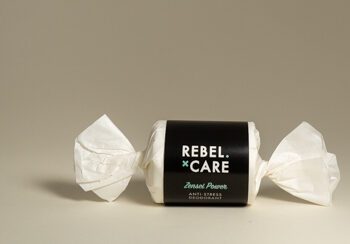
At Rebel.Care, we’ve designed our deodorant system with end-of-life in mind. Our bioplastic containers made from sugarcane can be composted industrially, whilst our refill programme keeps packaging in use longer before recycling becomes necessary. We believe sustainable personal care shouldn’t require a degree in waste management—just clear information and thoughtful design that works for real life.
Frequently Asked Questions
Can I recycle refillable deodorant packaging if there's still some product residue left?
Whilst small amounts of residue won't completely ruin recycling, it's best to rinse containers thoroughly with warm water before recycling. Product contamination can affect entire recycling batches, and facilities may reject loads with excessive residue. A quick 30-second rinse ensures your packaging gets properly processed rather than diverted to landfill.
How can I find an industrial composting facility for bioplastic deodorant containers?
Contact your local council's waste management department to ask about industrial composting facilities in your area—many don't advertise these services prominently. You can also search the Compost Certification Scheme or similar organisations' websites for certified facilities near you. Some zero-waste shops and community gardens collect compostable packaging for bulk drop-off at industrial facilities.
Will switching to refillable deodorant actually make a meaningful environmental difference?
Absolutely—if one million people switched to refillable deodorants, it would eliminate roughly 3-4 million plastic containers from landfills annually. On a personal level, you'll prevent 12-16 containers from entering the waste stream each year assuming a family of four. Combined with the reduced manufacturing emissions from producing fewer outer containers, the cumulative impact is significant.