Home / Blog / Deodorants / How much plastic waste do refillable deodorants eliminate?
How much plastic waste do refillable deodorants eliminate?
Chemical reviewed by Eric
Written by the Rebel.Care Editorial Team
Last updated 27/12/2025
Refillable deodorants eliminate significant plastic waste by reusing the outer container while replacing only the inner product cartridge. A typical refillable system reduces plastic consumption by roughly 80-90% compared to buying new deodorant containers repeatedly. Over a year, switching to refills prevents multiple full-sized plastic packages from entering landfills, making it one of the simplest ways to cut bathroom waste without changing your daily routine.
How much plastic does a single deodorant container create?
A standard deodorant stick generates between 15-50 grams of plastic waste per container, depending on the brand and packaging design. The outer casing, twist mechanism, and cap all contribute to this total, with most conventional deodorants using multiple plastic types that complicate recycling.
The typical deodorant container includes three main plastic components. The outer shell usually consists of polypropylene (PP) or high-density polyethylene (HDPE). The internal twist mechanism contains smaller plastic gears and springs. The cap adds another layer of plastic, often made from different polymer types than the base.
These mixed materials create a recycling nightmare. When different plastics are fused together in a single product, recycling facilities can’t easily separate them. Most deodorant containers end up in general waste bins, even when they’re technically recyclable. The plastic persists in landfills for hundreds of years, breaking down into microplastics that contaminate soil and water.
The stick mechanism itself is particularly wasteful. That little dial at the bottom contains multiple small plastic parts that serve their purpose for maybe two months before the whole thing gets tossed. It’s functional design that completely ignores environmental impact.
What happens when you switch to refillable deodorant systems?
Switching to a refillable deodorant system cuts your plastic waste by approximately 80-90% per product cycle. Instead of discarding the entire container every six to eight weeks, you keep the outer case and replace only the inner refill cartridge, which uses minimal packaging.
Let’s break down the numbers. A full deodorant container weighs around 20-50 grams of plastic. A refill cartridge, particularly those made from compostable materials or minimal packaging, weighs roughly 2-5 grams. That’s a massive reduction per replacement cycle.
Over a year, most people go through about six to eight deodorants. With traditional packaging, that’s 120-400 grams of plastic waste annually from deodorant alone. Switch to refills, and you’re looking at one initial container plus six to eight lightweight refills, totaling maybe 30-60 grams total. The difference adds up fast.
The lifetime impact is even more striking. If you use deodorant for 50 years, traditional packaging creates 6-20 kilograms of plastic waste just from this one product. Refillable systems reduce that to under 2 kilograms. That’s one person, one product category. Multiply that across millions of users, and refillable systems represent serious waste reduction.
The environmental benefit extends beyond just plastic volume. Manufacturing new containers requires more energy and resources than producing simple refills. Transportation costs drop because refills are lighter and more compact. The entire supply chain becomes more efficient when you’re not shipping full packaging every single time.
Why does deodorant packaging contribute so heavily to bathroom waste?
Deodorant packaging creates disproportionate waste because people replace it frequently while the containers remain largely full of unused plastic structure. The actual product inside represents a small fraction of the total package volume, yet we discard the entire mechanism every six to eight weeks.
The replacement frequency drives the problem. Unlike face creams or body lotions that might last several months, deodorant gets used up quickly. Active people might go through a stick in four weeks. Even light users finish one every two months. That’s six to twelve full containers per person annually.
The packaging-to-product ratio is terrible. The deodorant formula itself occupies maybe 60-70% of the container’s internal space. The rest is plastic structure, air gaps, and mechanical components. You’re essentially buying a small plastic machine that gets thrown away after brief use.
Bathroom waste accumulates because multiple household members each generate this waste stream. A family of four using conventional deodorants creates 24-48 empty containers yearly. That’s just deodorant, not counting shampoo bottles, toothpaste tubes, and other personal care packaging. The bathroom becomes a significant source of household plastic waste.
The visual impact is minimal, which masks the problem. Deodorant containers are small enough that tossing one doesn’t feel significant. But small items add up. Across millions of bathrooms, billions of these containers enter waste streams annually. The cumulative effect is massive, even though individual contribution seems minor.
How do refill programs actually work for personal care products?
Refill programs for deodorants work by separating the reusable container from the replaceable product cartridge. You purchase an initial kit with a durable outer case, then buy refill cartridges that slot into the existing case when your deodorant runs out. The process takes seconds and eliminates the need for new packaging.
The mechanics are straightforward. The outer case is designed for long-term use, made from durable materials like recycled plastic or bioplastic from renewable sources such as sugarcane. Inside, the refill cartridge contains the actual deodorant formula. When empty, you remove the spent cartridge and insert a fresh one. The case stays with you indefinitely.
Purchasing refills is simpler than buying new deodorants. Most brands offer refills at lower prices than full containers since you’re not paying for redundant packaging. You can order refills individually or set up subscriptions that deliver them automatically based on your usage patterns. This prevents running out while reducing the mental load of remembering to reorder.
What makes a refill system work well comes down to user experience. The case needs to feel solid and pleasant to use, not like a compromise. The refill insertion should be intuitive without instructions. The product performance must match or exceed conventional options, because nobody maintains eco-friendly habits that don’t work as well as alternatives.
Effective refill programs also consider the full lifecycle. The refill cartridges themselves should use minimal, recyclable, or compostable materials. Some systems use cartridges made from plant-based materials that break down naturally. Others focus on ultra-lightweight packaging that reduces material use even when it enters recycling streams.
The convenience factor matters enormously. If refills are hard to find or significantly more expensive, people abandon the system. Successful programs make refills readily available through online shops and offer pricing that rewards the sustainable choice. When refills cost less and work better, the environmental benefit comes with practical advantages.
Refillable systems represent a shift in how we think about product ownership. Instead of disposable items we replace entirely, we’re moving toward durable goods we maintain. It’s the same principle that makes refillable water bottles normal now, applied to personal care. The transition requires brands to redesign products, but once established, refill systems become the easier, more economical choice.
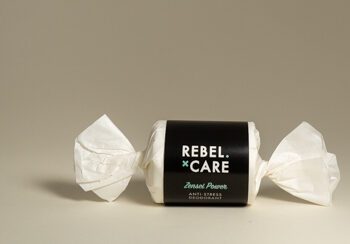
At Rebel.Care, we’ve built our deodorant system around this refillable approach because it makes sense for you and the planet. Our bioplastic cases from sugarcane paired with minimal refill packaging cut waste dramatically while delivering natural protection that actually works. Whether you’re just starting to reduce plastic waste or you’re already deep into zero waste living, refillable deodorant is one of the easiest switches you’ll make. Better for your bathroom, better for your budget, better for everyone.
Frequently Asked Questions
How long does a refillable deodorant case typically last before needing replacement?
A well-designed refillable deodorant case should last several years with normal use, often 3-5 years or longer. The durable outer casing is built to withstand daily handling and bathroom humidity, making it a one-time investment. If the twist mechanism eventually wears out or breaks, most brands offer replacement cases at a reduced cost, though this is uncommon with quality designs.
Are refillable deodorants more expensive than traditional options in the long run?
Refillable deodorants typically cost less over time despite a higher initial investment. While you pay more upfront for the durable case, refill cartridges are usually 20-40% cheaper than buying full containers since you're not paying for redundant packaging. After your second or third refill purchase, you've already broken even, and every subsequent refill saves you money while reducing waste.
What should I do with the empty refill cartridges?
Disposal depends on the refill material—check your specific brand's instructions. Cartridges made from plant-based or compostable materials can often go in your compost bin or green waste. Lightweight plastic refills should be recycled according to your local recycling guidelines, though their minimal size makes them far less impactful than full containers. Some brands also offer take-back programs where they handle proper disposal or recycling.
Will switching to refillable deodorant compromise effectiveness or scent options?
Quality refillable deodorants perform just as well as traditional options, with many brands offering multiple scent varieties and formulations for different needs. The refill system is simply a packaging innovation—the actual deodorant formula inside can be natural, aluminum-free, extra-strength, or any other formulation you prefer. Look for brands that prioritize both sustainability and product performance to ensure you're not sacrificing effectiveness.