Home / Blog / Deodorants / What is bioplastic packaging in deodorants?
What is bioplastic packaging in deodorants?
Chemical reviewed by Eric
Written by the Rebel.Care Editorial Team
Last updated 07/12/2025
Bioplastic packaging in deodorants refers to containers made from plant-based materials like sugarcane or corn starch instead of petroleum-based plastics. These materials break down more easily than traditional plastics and reduce environmental impact. Many brands now use bioplastic for deodorant cases, often combined with refill systems that let you keep the same container and just replace the product inside, cutting down on waste and saving you money.
What exactly is bioplastic packaging in deodorants?
Bioplastic packaging uses plant-based materials instead of petroleum to create deodorant containers. These materials come from renewable sources like sugarcane, corn starch, or other plant matter that can be processed into durable plastic-like materials. The container works just like regular plastic but with a better environmental profile.
The main difference is where the material comes from. Traditional plastic starts as crude oil extracted from the ground. Bioplastic starts as plants grown in fields. Both can be shaped into containers that protect your deodorant and make it easy to use.
These containers don’t compromise on quality. They keep your deodorant fresh, protect it from contamination, and feel solid in your hand. You won’t notice a difference in daily use, but the planet notices a difference in production and disposal.
Bioplastic packaging maintains product integrity throughout its shelf life. The material creates an effective barrier against moisture and air, which matters for natural deodorant formulations that don’t contain synthetic preservatives. Whether you’re storing it in a humid bathroom or tossing it in your gym bag, bioplastic holds up to regular use.
How does bioplastic packaging differ from regular plastic containers?
The manufacturing process for bioplastic starts with harvesting plant materials rather than drilling for oil. Plants are processed to extract sugars or starches, which are then fermented and polymerized into plastic-like materials. Regular plastic production involves refining petroleum through energy-intensive chemical processes that release more carbon emissions.
Environmental impact shows the biggest difference. Bioplastic production typically generates fewer greenhouse gases because plants absorb carbon dioxide as they grow, partially offsetting manufacturing emissions. Traditional plastic production adds carbon to the atmosphere without this natural offset.
Decomposition rates vary significantly based on conditions. Some bioplastics break down in industrial composting facilities within months, whilst petroleum plastics can persist for hundreds of years. However, bioplastics won’t magically disappear in your bin. They need specific conditions like heat, moisture, and microorganisms found in proper composting facilities.
For daily deodorant use, both materials perform similarly. Bioplastic containers are just as durable and protective as traditional plastic. They won’t crack or break more easily. The difference isn’t in how they work for you, but in what happens before and after you use them.
Why are brands switching to bioplastic for deodorant packaging?
Environmental responsibility drives most packaging innovation in personal care. Brands recognize that sustainable deodorant packaging matters to customers who want their daily routines to align with their values. The deodorant industry produces millions of plastic containers annually, and switching to plant-based materials reduces that environmental burden.
Consumer demand has shifted noticeably. More people ask what’s in their products and what happens to the packaging afterwards. You’re not alone if you’ve stood in a shop aisle wondering about the environmental cost of your grooming choices. Brands respond to this by offering biodegradable deodorant containers that feel like a better choice.
Reducing carbon footprint matters for the personal care industry’s future. Traditional plastic production contributes significantly to climate change through extraction, refining, and manufacturing. Plant-based alternatives lower these emissions, helping brands operate more responsibly.
The circular economy principle also plays a role. Instead of the linear take-make-dispose model, bioplastic fits into systems where materials come from renewable sources and return to the earth. This approach reduces waste accumulation and resource depletion over time.
Brand responsibility extends beyond just making products that work. It includes considering the full lifecycle impact, from raw materials to disposal. Companies switching to bioplastic demonstrate commitment to environmental stewardship whilst still delivering effective grooming solutions.
Can you refill deodorants with bioplastic packaging?
Yes, many refillable deodorant systems use bioplastic containers designed for multiple uses. You keep the outer case and insert new refills when your deodorant runs out. The bioplastic case stays durable through repeated use, whilst the refills themselves often come in compostable materials that break down after disposal.
The mechanics are straightforward. Most refill systems use a twist-up mechanism where you remove the empty refill cartridge and click in a new one. The bioplastic case protects the refill and provides the structure needed for smooth application. You’re not sacrificing convenience for sustainability.
Cost savings add up quickly with refill programmes. Refills typically cost less than buying a complete new deodorant because you’re not paying for new packaging each time. Over a year of regular use, you’ll notice the difference in your spending whilst reducing packaging waste.
Combining bioplastic materials with refill models maximizes environmental benefit. The durable bioplastic case lasts for years of daily use, eliminating the need for new containers. Meanwhile, refills in compostable materials mean even the replacement parts have minimal environmental impact. If you’re looking for eco-friendly deodorant options, explore sustainable grooming products that combine both approaches.
This system works for various deodorant types, from sticks to creams. The refill format doesn’t limit your choices in scent or formula. You get the same product performance with significantly less waste, making it practical for anyone wanting to reduce their environmental footprint without changing their grooming routine.
Making the switch to sustainable packaging
Bioplastic packaging represents a practical step towards more responsible grooming. It’s not perfect, but it’s better than petroleum-based alternatives in most environmental measures. Combined with refill systems, it offers you a way to maintain your routine whilst reducing waste and carbon emissions.
The technology continues improving. As more brands adopt plant-based materials and refillable systems, costs decrease and availability increases. What seemed like a niche option a few years ago is becoming standard for environmentally conscious personal care.
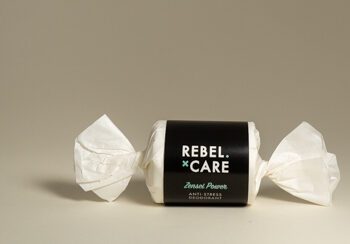
At Rebel.Care, we manufacture our deodorants in Amsterdam using bioplastic packaging made from sugarcane. Our refill programme lets you keep the same case and just replace the deodorant inside, cutting waste whilst saving you money. It’s grooming without the environmental guilt, designed for all men who want products that work for them and the planet.
Frequently Asked Questions
Will bioplastic deodorant containers break down in my home compost bin?
Most bioplastic deodorant containers require industrial composting facilities to break down properly, as they need specific temperatures (typically 55-60°C) and microbial conditions that home compost bins don't consistently reach. Check with your local waste management facility to see if they accept bioplastics, or contact the brand directly for disposal instructions. Some refillable systems use durable bioplastic cases meant to last years rather than decompose, which maximizes their environmental benefit through extended use.
How do I know if a deodorant brand truly uses bioplastic or is greenwashing?
Look for specific details about the source material (like sugarcane or corn starch) and certifications such as USDA BioPreferred, TÜV Austria OK biobased, or similar third-party verification. Genuine bioplastic packaging will clearly state the percentage of bio-based content and provide disposal instructions. Be wary of vague terms like 'eco-friendly plastic' without supporting details—transparent brands will openly share their materials and manufacturing processes.
Are bioplastic deodorant containers more expensive than traditional plastic ones?
Initially, deodorants with bioplastic packaging may cost slightly more due to higher material costs, but refillable systems quickly offset this difference. Refills typically cost 20-40% less than purchasing a complete new deodorant, so you'll save money after your first few refills. As bioplastic production scales up and becomes more common, the price gap between bio-based and petroleum-based packaging continues to narrow.
How long does a bioplastic deodorant case last with a refill system?
A well-made bioplastic refillable case should last for years with proper care—typically 2-5 years or longer depending on usage and handling. The durable bioplastic is designed to withstand daily use, travel, and normal bathroom conditions without cracking or degrading. To maximize lifespan, simply wipe the case clean between refills and avoid exposing it to extreme temperatures or leaving it in direct sunlight for extended periods.