Home / Blog / Deodorants / How do refillable deodorants fit into a zero-waste lifestyle?
How do refillable deodorants fit into a zero-waste lifestyle?
Chemical reviewed by Eric
Written by the Rebel.Care Editorial Team
Last updated 25/12/2025
Refillable deodorants fit into a zero-waste lifestyle by replacing single-use packaging with a reusable container system. You buy one durable case and purchase refills that generate significantly less waste than traditional deodorants. This approach reduces plastic and aluminium consumption whilst maintaining daily freshness. It’s a practical swap that aligns with waste reduction goals without compromising on effectiveness or convenience.
What makes refillable deodorants different from regular deodorants?
Refillable deodorants use a permanent outer case with replaceable inner cartridges, whilst regular deodorants come as complete disposable units. You keep the durable container and only replace the product inside when it runs out. This design separates the long-lasting packaging from the consumable product, eliminating the need to bin the entire package each time.
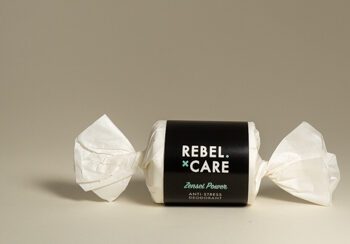
The system works simply. Your initial purchase includes a reusable case made from materials like recycled plastic or bioplastic. When you finish the deodorant, you order a refill that slots into your existing case. The refill packaging uses minimal materials, often compostable or recyclable paper-based options rather than the plastic housings of traditional deodorants.
Traditional deodorants generate waste with every purchase. Whether it’s a plastic stick, a roll-on bottle, or an aluminium aerosol, the entire package becomes rubbish when empty. Refillable systems reduce this waste by roughly 80-90% per cycle since you’re only replacing the inner product, not the entire assembly.
The fundamental philosophy centres on separating durability from consumption. Your case lasts for years whilst refills arrive in lightweight packaging designed for proper disposal. This mirrors how you’d refill a water bottle rather than buying new ones constantly.
How much waste do refillable deodorants actually prevent?
Each refill cycle prevents approximately 30-50 grams of packaging waste compared to buying a new conventional deodorant. Over a year of typical use (three to four deodorants), that’s 120-200 grams of plastic or aluminium kept out of landfills per person. The savings multiply across households and years of continued use.
Conventional deodorants typically package 50-75ml of product in 40-60 grams of plastic housing or aluminium casing. Aerosol cans add even more material weight. Refillable alternatives deliver the same product volume in 5-10 grams of minimal packaging, often paper-based tubes or compostable materials that break down naturally.
For a household of two adults, switching to refillable deodorants prevents roughly 400 grams of packaging waste annually. That might not sound massive, but it’s the equivalent of about eight standard plastic bottles. Over five years, you’re looking at preventing 2 kilograms of waste per person from this single product switch.
The cumulative impact grows when you consider transportation emissions too. Lighter refill packaging means reduced shipping weight and carbon footprint. One delivery truck can carry significantly more refills than complete deodorant units, improving logistics efficiency across the supply chain.
You’ll notice the difference in your own bin. Where you might have tossed three or four deodorant containers yearly, you’re now disposing of lightweight refill packaging that often fits in recycling or compost bins rather than general waste.
Why do zero-waste advocates recommend refillable deodorants?
Zero-waste living prioritises refusing single-use items, reducing consumption, and reusing what you already own. Refillable deodorants tick all these boxes by eliminating repeated packaging purchases whilst maintaining necessary personal care. They represent practical circular economy thinking applied to everyday routines.
The core zero-waste principles follow a hierarchy: refuse, reduce, reuse, recycle, rot. Refillable systems excel at the “reuse” stage by keeping your original container in circulation rather than constantly recycling or binning materials. This approach requires less energy and resources than even the best recycling programmes.
Circular economy practices focus on keeping materials in use for as long as possible. Your refillable deodorant case might last five to ten years, serving its purpose repeatedly rather than being manufactured, used briefly, and discarded. This extended product life reduces demand for new materials and manufacturing energy.
Beyond waste reduction, you’ll save money over time. Initial costs might be similar to premium conventional deodorants, but refills typically cost 20-30% less than full units. You’re paying for product rather than redundant packaging with each purchase. If you’re interested in exploring sustainable personal care options, you can browse eco-friendly grooming products that support this approach.
Reduced transportation emissions matter too. Lighter, more compact refills mean fewer delivery vehicles and lower fuel consumption across supply chains. When brands manufacture locally, these benefits multiply through shortened distribution distances.
What challenges might you face when switching to refillable deodorants?
Many refillable deodorants use natural formulations without aluminium or synthetic ingredients, which can require a two to four week adjustment period for your body. You might notice different wetness levels or temporary odour changes as your skin adapts from conventional products to natural alternatives.
This transition happens because aluminium-based deodorants physically block your sweat glands. When you stop using them, your body needs time to regulate its natural perspiration patterns. Natural deodorants work differently by neutralising odour-causing bacteria rather than preventing sweat entirely. Give your body a fortnight to adjust before judging effectiveness.
Refill availability requires planning ahead. Unlike grabbing any deodorant at your local shop, you’ll need to order refills before running out completely. Some brands offer subscription services that automate deliveries, removing the mental load of remembering to reorder.
Application feels different too. Natural formulations might have softer textures than conventional sticks, especially in warm weather. Some people find this takes getting used to, whilst others prefer the gentler feel on skin. Store your deodorant in cooler spots if consistency becomes an issue.
Cost perception can be tricky. The initial investment seems higher when you’re buying both case and product together. Frame it as purchasing a tool you’ll use for years rather than comparing it to a single conventional deodorant. The per-use cost drops significantly after your first purchase.
Finding the right natural formulation might take experimentation. Bodies respond differently to various ingredient combinations. What works brilliantly for your mate might not suit your skin chemistry. Many brands offer sample sizes or starter sets to help you find your match without committing to full-sized products immediately.
Making the switch sustainable long-term means building the habit of ordering refills. Set calendar reminders or opt for automatic subscriptions until reordering becomes second nature. The environmental benefits only materialise when you actually stick with the system rather than abandoning it for convenience.
Making refillable work for you
Refillable deodorants offer a straightforward way to reduce waste in your daily routine without sacrificing freshness or effectiveness. The system works through simple reuse principles, preventing hundreds of grams of packaging waste annually whilst often saving you money over time.
The transition requires some patience as your body adjusts to natural formulations and you build new purchasing habits. Plan ahead for refills, give yourself a proper adjustment period, and remember that small sustainable choices add up to meaningful environmental impact.
At Rebel.Care, we’ve designed our refillable deodorant system with these principles in mind. Our Amsterdam-manufactured natural formulations come in bioplastic cases made from sugarcane, with refills that significantly reduce packaging waste. Whether you’re just starting your zero-waste journey or looking to expand your sustainable routine, switching to refillable personal care products represents a practical step towards better products, better habits, and a better planet.
Frequently Asked Questions
How do I know when it's time to order a refill?
Most refillable deodorants last 2-3 months with daily use, similar to conventional deodorants. You'll feel the product running low through the lighter weight and reduced application. Set a reminder 2-3 weeks before you expect to run out, or subscribe to automatic deliveries timed to your usage pattern. Ordering early ensures you won't need to revert to disposable options whilst waiting for delivery.
Can I travel with a refillable deodorant system?
Yes, refillable deodorants are travel-friendly and typically comply with carry-on regulations since they're solid formulations. The secure case design prevents product from transferring onto clothing or other items in your luggage. Some users keep a dedicated travel case or simply pack their everyday deodorant—the durable construction handles the movement well.
What should I do if the natural formula isn't working for me after the adjustment period?
If you're still experiencing issues after 3-4 weeks, try a different formulation rather than abandoning refillables entirely. Natural deodorants vary in their active ingredients (baking soda, magnesium, zinc) and essential oil blends, and different formulas suit different body chemistries. Many brands offer variety packs or sample sizes to help you find your ideal match without waste.
Are refillable deodorants more expensive in the long run?
No, refillable systems typically cost less over time despite higher initial investment. While your first purchase might be £12-18 for case and product, refills usually cost £6-10 compared to £8-12 for conventional premium deodorants. After 3-4 refill cycles, you've recouped the case cost and continue saving 20-40% per purchase whilst generating far less waste.