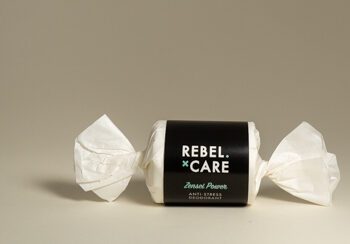
Home / Blog / Deodorants / How does refillable deodorant perform during exercise?
How does refillable deodorant perform during exercise?
Chemical reviewed by Eric
Written by the Rebel.Care Editorial Team
Last updated 29/12/2025
Refillable deodorant performs well during exercise when you understand how natural formulations work with your body. Unlike traditional antiperspirants that block sweat, natural deodorant workout solutions let you perspire whilst neutralising odour through ingredients like arrowroot powder and essential oils. Most aluminum-free deodorant exercise options provide solid protection for moderate workouts, though intense sessions may require reapplication. Your experience depends on factors like workout intensity, body chemistry, and application timing.
What makes refillable deodorant different during physical activity?
Refillable deodorant works fundamentally differently than conventional antiperspirants during exercise. Natural formulations don’t block your sweat glands. Instead, they absorb moisture and neutralise the bacteria that cause odour. When you work out, your body needs to sweat for temperature regulation, and natural deodorants support this process rather than fight it.
Traditional antiperspirants contain aluminium compounds that physically plug your sweat ducts. During physical activity, this creates a battle between your body’s need to cool down and the product’s attempt to stop perspiration. Refillable natural options take a different approach entirely.
The key ingredients in eco-friendly deodorant sports formulations include arrowroot powder or cornstarch for moisture absorption, baking soda or magnesium for odour neutralisation, and coconut oil or shea butter for skin nourishment. When you exercise, these ingredients interact with your sweat by absorbing excess moisture whilst allowing your pores to function normally.
During workouts, your body temperature rises and blood flow increases. Natural deodorants respond by allowing perspiration whilst the antimicrobial properties of ingredients like coconut oil and essential oils combat odour-causing bacteria. You’ll sweat more than with an antiperspirant, but that’s actually healthier for your body’s cooling system.
The moisture management approach differs significantly. Rather than creating a barrier, natural ingredients work like a sponge, absorbing what they can whilst your skin continues its natural processes. This means you might notice dampness during intense sessions, but you shouldn’t experience the typical sweaty smell if the formulation suits your body chemistry.
Does aluminum-free deodorant protect you during intense workouts?
Aluminum-free deodorant provides odour protection rather than sweat prevention during intense workouts. You’ll perspire normally, which is what your body needs during physical exertion, but quality natural formulations effectively combat the bacteria that create unpleasant smells. Protection means staying fresh-smelling, not staying dry.
When you’re pushing through a high-intensity session, your sweat glands activate fully. Without aluminium to block them, you’ll notice moisture. This isn’t a failure of the product. It’s your body working as designed. The deodorant’s job is managing what happens to that sweat.
Natural ingredients tackle odour through several mechanisms. Baking soda creates an alkaline environment where odour-causing bacteria struggle to thrive. Arrowroot powder absorbs moisture before it can create a breeding ground for bacteria. Essential oils like tea tree or lavender provide antimicrobial properties that actively fight bacterial growth.
For intense workouts, realistic expectations matter. You’ll likely see sweat patches on your shirt, especially under your arms. That’s completely normal and healthy. What you shouldn’t experience is strong body odour during or immediately after exercise. If you do, the formulation might not suit your body chemistry, or you may need to adjust application amount.
Some people find their natural deodorant workout performance improves after a transition period. Your body adapts to functioning without aluminium plugs, and your skin’s bacterial balance shifts. This adjustment typically takes two to four weeks.
During particularly intense sessions like HIIT training or long runs, even the best aluminum-free deodorant exercise protection has limits. You might notice some odour developing after 60-90 minutes of hard effort. That’s when knowing your body’s signals helps you decide if you need a mid-workout refresh.
How long does refillable deodorant last through a gym session?
Most refillable deodorants provide effective odour protection for 60-90 minutes of moderate to intense exercise. Light workouts like yoga or walking typically see protection lasting the full session without issues. Your individual experience varies based on workout intensity, how much you naturally sweat, application thickness, and environmental factors like gym temperature.
For a standard 45-60 minute gym session with mixed cardio and weights, properly applied natural deodorant should keep you smelling fresh throughout. You’ll sweat, but you won’t develop noticeable body odour. This assumes you’ve applied an adequate amount to clean, dry skin before starting.
Workout type significantly affects duration. A gentle yoga class in a cool studio places minimal demands on your deodorant. A spin class in a heated room tests its limits. Running outdoors in summer heat challenges it further. High-intensity interval training creates the toughest conditions, with rapid temperature changes and heavy perspiration.
Your body chemistry plays a major role. Some people naturally produce less odour-causing bacteria. Others have more active sweat glands or different bacterial compositions. If you’re someone who’s always been a heavy sweater, you might find protection wanes faster than someone with less active sweat glands.
Application amount matters more than most people realise. A thin swipe might not provide enough active ingredients for intense activity. Two to three firm swipes ensure adequate coverage. Too much can feel uncomfortable and doesn’t necessarily improve protection.
Environmental conditions affect performance. A well-ventilated gym allows sweat to evaporate more readily, helping your deodorant work effectively longer. A crowded, humid space creates more challenging conditions. Hot yoga or outdoor summer workouts demand more from your deodorant than air-conditioned environments.
You’ll know reapplication is needed when you notice odour developing. Some people carry a small refillable deodorant in their gym bag for post-workout freshening up. This isn’t a sign of product failure, just recognition of your body’s needs during demanding physical activity.
Should you apply deodorant before or after exercising?
Apply deodorant before exercising for best protection, ideally 10-15 minutes prior to starting your workout. This gives the product time to absorb into your skin and begin working before sweat production increases. Post-workout reapplication after showering ensures you stay fresh for the rest of your day.
Pre-workout application works because it establishes odour protection before bacteria have a chance to interact with your sweat. When you apply to clean, dry skin, the active ingredients can properly adhere and start creating an environment hostile to odour-causing bacteria.
Timing matters for absorption. If you apply deodorant and immediately start sweating heavily, some product may wash away before it’s fully effective. Those 10-15 minutes allow natural ingredients to settle into your skin and begin their work. If you’re short on time, even five minutes helps.
Your skin condition affects how well deodorant performs. Applying to damp or sweaty skin reduces effectiveness because the product can’t properly contact your skin. It sits on top of moisture rather than absorbing where it needs to work. Always ensure your underarms are completely dry before application.
Post-workout application serves a different purpose. After exercise, shower to remove sweat, bacteria, and any remaining deodorant. Once you’re clean and dry, reapply for ongoing protection. This is when your deodorant needs to carry you through work, social activities, or the rest of your day.
Some people benefit from a dual application routine. Apply before your morning workout, shower afterwards, then reapply for the day. This maximises protection during both exercise and daily activities. If you work out in the evening, you might skip the second application if you’re heading to bed soon after.
For early morning exercisers, consider applying deodorant the night before if you’re particularly concerned about workout freshness. Your skin absorbs the product overnight, and you can add another layer before heading to the gym. This isn’t necessary for everyone, but it’s an option if you want extra confidence.
Creating a consistent grooming routine helps you remember application timing. Keep your deodorant with your workout gear if you exercise first thing. If you shower at the gym, pack your refillable deodorant in your bag. Making it part of your routine ensures you’re always protected when you need it.
Whether you’re hitting the gym at dawn or squeezing in lunchtime exercise, understanding how natural deodorant workout protection works helps you stay fresh. At Rebel.Care, we’ve developed our refillable deodorant range specifically for active lifestyles, using natural ingredients that work with your body during physical activity. Our formulations provide reliable odour protection without aluminium, letting you focus on your workout rather than worrying about freshness.
Frequently Asked Questions
What should I do if I notice odour developing mid-workout?
Keep a travel-sized refillable deodorant in your gym bag for quick touch-ups. Wipe your underarms with a clean towel to remove excess sweat and bacteria, let the area dry for a moment, then reapply. This mid-session refresh is perfectly normal for intense workouts and doesn't indicate product failure—it simply means your body is working hard and producing more sweat than the initial application can manage.
How do I transition from antiperspirant to natural deodorant for workouts?
Start your transition during a lighter training period if possible, as your body needs 2-4 weeks to adjust. You may experience increased sweating and odour initially as your sweat glands unclog and skin bacteria rebalance. Stay consistent with daily application, exfoliate your underarms weekly to remove buildup, and consider using a detoxifying mask specifically for underarms to speed up the adjustment process.
Can I use the same natural deodorant for workouts and everyday wear?
Yes, most refillable natural deodorants work well for both purposes, though you may need to adjust application amount. For workouts, apply 2-3 firm swipes for better coverage, while everyday activities might only require 1-2 swipes. Some people prefer keeping a separate refill specifically for their gym bag to ensure they always have deodorant available for post-workout freshening.
Does natural deodorant work differently for different types of exercise?
Yes, performance varies by activity intensity and sweat production. Low-impact activities like yoga, Pilates, or walking typically see all-session protection, while high-intensity workouts like running, HIIT, or spin classes may require reapplication after 60-90 minutes. Hot yoga and outdoor summer workouts are most challenging due to extreme heat and humidity, so consider applying extra product or planning for a mid-session refresh during these activities.