Home / Blog / Deodorants / How to reduce waste with deodorant refills?
How to reduce waste with deodorant refills?
Chemical reviewed by Eric
Written by the Rebel.Care Editorial Team
Last updated 24/09/2025
Reducing waste with deodorant refills involves switching from single-use packaging to refillable deodorant systems that use replaceable cartridges or refill pods. This approach can eliminate up to 80% of packaging waste whilst maintaining the same level of protection. You keep a durable outer case and simply replace the inner deodorant when needed, creating a more sustainable personal care routine without compromising on effectiveness.
Why Switching to Refillable Deodorant Matters for the Environment
Personal care packaging creates massive amounts of waste that we rarely think about. Every year, billions of deodorant sticks end up in landfills, complete with their plastic caps, twist mechanisms, and outer shells.
Traditional deodorant packaging typically contains multiple materials that can’t be easily separated for recycling. The plastic components often aren’t accepted by standard recycling programmes, and the residual product makes the containers unsuitable for processing.
Refillable systems change this equation completely. Instead of throwing away an entire container every few months, you’re only discarding the inner refill – which many brands now make from compostable or recyclable materials. The outer case, designed for durability, can last for years.
This shift supports the circular economy model where products are designed for reuse rather than disposal. When you choose sustainable deodorant options, you’re participating in a system that prioritises resource conservation over convenience.
What Are Deodorant Refills and How Do They Work?
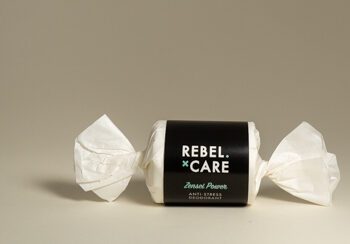
Deodorant refills are replacement cartridges or pods designed to fit into a reusable outer case. Think of it like a refillable pen – you keep the body and replace the ink cartridge when it runs out.
The system works through several formats. Cartridge refills are pre-formed deodorant sticks that slot directly into the reusable case. Solid refills come as compressed bars that you insert into the container. Some brands offer liquid refills that you pour into the applicator.
Most refill programmes operate on a subscription model or through direct purchase. You receive your refills by post, swap out the empty cartridge, and continue with your routine. The outer case contains the twist mechanism and applicator, whilst the refill provides the active ingredients.
The mechanics are surprisingly simple. The reusable case grips the refill securely, allowing the twist mechanism to push the product up through the applicator. When empty, you remove the spent refill and click in a new one.
How Much Waste Can You Actually Eliminate with Deodorant Refills?
The waste reduction from switching to refillable systems is substantial. A typical deodorant user goes through 4-6 sticks annually, generating significant packaging waste with each replacement.
Traditional deodorant packaging includes the outer tube, cap, twist mechanism, and often additional cardboard packaging. Refillable systems eliminate roughly 75-80% of this waste by reusing the outer components indefinitely.
Over a year, one person switching to refills prevents approximately 4-6 complete deodorant containers from entering waste streams. That’s multiple plastic tubes, caps, and mechanisms that would otherwise require disposal.
The long-term impact multiplies significantly. Over five years, a single user prevents 20-30 complete deodorant packages from becoming waste. When thousands of people make this switch, the collective impact reaches tonnes of prevented packaging waste.
Many refill cartridges now use compostable or recyclable materials, further reducing their environmental footprint compared to traditional alternatives.
Are Natural Deodorant Refills as Effective as Conventional Options?
Natural deodorant refills can be just as effective as conventional options, though they work differently. Instead of blocking sweat with aluminium salts, they neutralise odour-causing bacteria using natural antimicrobial ingredients.
Aluminum-free formulations rely on ingredients like coconut oil, shea butter, baking soda, and essential oils. These work by creating an environment where odour-causing bacteria can’t thrive, whilst allowing natural sweating to continue.
The effectiveness often improves after a brief adjustment period. Your body needs time to recalibrate its natural processes when switching from aluminium-based products. Most people find their skin adapts within 1-2 weeks.
Natural refills offer additional benefits beyond odour protection. They’re typically gentler on sensitive skin, don’t stain clothing, and contain moisturising ingredients that support skin health rather than disrupting natural functions.
Performance varies between brands and formulations, just like conventional deodorants. The key is finding a natural formula that works with your body chemistry and lifestyle needs.
What Should You Consider When Choosing a Refillable Deodorant System?
Container durability tops the priority list. You’ll be using this case for months or years, so it needs robust construction that won’t crack, break, or malfunction with regular use.
Refill availability determines long-term viability. Check that the brand offers reliable supply chains, reasonable pricing for refills, and plans to continue the product line. Nothing’s more frustrating than a great case with discontinued refills.
Cost-effectiveness requires calculating the total investment. Compare the initial case price plus ongoing refill costs against traditional deodorant expenses over 12 months. Factor in any subscription discounts or bulk purchase savings.
Ingredient quality matters as much in refillable systems as traditional products. Look for natural, aluminum-free formulations that suit your skin type and activity level. Check for certifications like COSMOS Organic if that’s important to you.
Consider the brand’s overall sustainability practices. Do they use recyclable packaging for shipping? Are refills made from compostable materials? Does the company support environmental initiatives beyond their product line?
Making the Switch: Your Complete Guide to Waste-free Deodorant
Start by researching brands that align with your values and skin needs. Read ingredient lists, check refill pricing, and look for companies with strong sustainability commitments.
Calculate your potential savings. Most refillable systems cost more upfront but save money over time. Annual savings typically range from 15-30% compared to premium conventional deodorants, whilst eliminating significant packaging waste.
Plan for the transition period if switching to natural formulations. Your body may need 1-2 weeks to adjust, during which you might experience different sweating patterns or temporary increased odour. This is normal and temporary.
Maintain your refillable system properly. Clean the case occasionally with warm soapy water, ensure refills are properly seated, and store in cool, dry conditions to maximise product life.
Track your environmental impact. Note how many traditional deodorant containers you’ve prevented from becoming waste. Many people find this visual progress motivating for maintaining sustainable habits.
Consider expanding to other refillable personal care products once you’re comfortable with the deodorant system. Many brands offer refillable body wash, shampoo, and other essentials.
Switching to refillable deodorant represents a simple but meaningful step toward zero waste grooming. The combination of reduced environmental impact, long-term cost savings, and often superior natural ingredients makes this an easy upgrade to your personal care routine. At Rebel.Care, we’ve designed our refill programme to make sustainable grooming both effective and effortless, proving that better choices don’t require sacrifice.