Home / Blog / Deodorants / Is bioplastic packaging better than regular plastic for deodorants?
Is bioplastic packaging better than regular plastic for deodorants?
Chemical reviewed by Eric
Written by the Rebel.Care Editorial Team
Last updated 01/12/2025
Bioplastic packaging offers some benefits over regular plastic for deodorants, but it’s not a simple winner. Bioplastic comes from plant materials instead of petroleum, which sounds better, but it often needs specific conditions to break down properly. Regular plastic lasts longer but creates more environmental harm during production and disposal. The real game-changer? Refillable deodorant systems beat both options by cutting waste at the source.
What exactly is bioplastic and how does it differ from regular plastic?
Bioplastic is made from plant-based materials like sugarcane, corn starch, or vegetable oils, while regular plastic comes from petroleum. The manufacturing process differs because bioplastics use renewable resources that can be regrown, whereas conventional plastic relies on fossil fuels that take millions of years to form.
The fundamental distinction lies in their chemical composition. Regular plastic consists of long polymer chains derived from crude oil through refining and chemical processing. Bioplastic uses similar polymer structures but sources them from biological materials instead.
Both materials can be moulded into deodorant containers and offer similar durability during use. The material properties feel comparable in your hand, which is why you might not notice the difference when holding a bioplastic deodorant case versus a petroleum-based one.
What matters most is understanding that “bioplastic” doesn’t automatically mean better. It simply means different source materials. The environmental impact depends on how it’s produced, used, and disposed of.
Does bioplastic packaging actually break down faster than conventional plastic?
Bioplastic doesn’t automatically break down faster than regular plastic in most real-world conditions. Many bioplastics need industrial composting facilities with specific temperatures and microbial environments to decompose properly. Without these conditions, bioplastic can persist just as long as conventional plastic.
Here’s the reality: if you toss bioplastic packaging in a standard landfill, it sits there without breaking down because landfills lack oxygen and the right microorganisms. Home composting rarely reaches the temperatures needed for most bioplastics to decompose.
Industrial composting facilities maintain temperatures around 60 degrees Celsius with controlled moisture and aeration. Under these conditions, certain bioplastics can break down within three to six months. Regular plastic never fully biodegrades, it just fragments into smaller pieces called microplastics.
The catch? Most places don’t have accessible industrial composting facilities. This means bioplastic deodorant packaging often ends up in regular waste streams where it behaves similarly to conventional plastic.
Some bioplastics are designed to be recyclable instead of compostable, which adds another layer of confusion. Check what type of bioplastic your deodorant uses and whether your local waste system can actually process it properly.
Which packaging option reduces environmental harm more for deodorants?
Bioplastic packaging typically produces fewer carbon emissions during manufacturing compared to petroleum-based plastic, but the overall environmental benefit depends on the complete lifecycle. Production, transportation, usage, and disposal all contribute to the total environmental footprint of your deodorant container.
Regular plastic production releases significant greenhouse gases and consumes non-renewable petroleum resources. The manufacturing process requires high energy inputs and generates toxic byproducts. Once produced, petroleum plastic persists in the environment for hundreds of years.
Bioplastic manufacturing uses renewable plant materials, which can reduce carbon footprint by up to 30-50% compared to conventional plastic. However, growing crops for bioplastic requires land, water, and sometimes pesticides. Large-scale production can compete with food crops and impact biodiversity.
For deodorant containers specifically, both options present challenges. The relatively small size means packaging waste accumulates quickly when you’re buying new containers every few months. Neither material solves the fundamental problem of single-use consumption.
Water usage during production varies depending on the crop used for bioplastic. Sugarcane-based bioplastics generally require less water than corn-based alternatives. Petroleum plastic production also consumes substantial water for refining and processing.
The end-of-life phase matters enormously. If your area lacks proper composting or recycling infrastructure, both materials likely end up in landfills or incinerators. In this scenario, the production benefits of bioplastic get undermined by disposal realities.
How does a refillable deodorant system compare to single-use packaging?
Refillable deodorant systems dramatically reduce packaging waste by reusing the same container multiple times while replacing only the product inside. This approach cuts plastic consumption by 80-90% compared to buying new containers repeatedly, regardless of whether those containers are bioplastic or regular plastic.
Here’s how refill programmes work: you buy a durable deodorant case once, then purchase refills that come in minimal packaging. Some refills use compostable materials or recyclable cardboard, while others arrive in lightweight pouches. The key advantage is eliminating the bulky outer container from each purchase.
The environmental benefits stack up quickly. Manufacturing one reusable container requires resources, but spreading that impact across dozens of uses makes each application far less wasteful. You’re not constantly producing and disposing of new packaging.
Cost savings matter too. Refills typically cost 30-40% less than buying complete new products because you’re not paying for redundant packaging. Over a year, switching to a refillable system saves you money while reducing your environmental impact.
Practical considerations make refillable systems work well for deodorants specifically. The product format suits refilling better than, say, liquid products that might leak. The case protects the refill and provides a comfortable application experience identical to traditional deodorants.
Some systems offer subscription options where refills arrive automatically before you run out. This convenience factor removes the main barrier people face with sustainable products: remembering to reorder.
Whether the refillable case uses bioplastic, recycled plastic, or another material becomes less important when you’re using it for years instead of months. The longevity of use outweighs the material choice in terms of overall environmental impact.
If you’re looking for sustainable deodorant options, refillable systems offer the most straightforward path to reducing waste without sacrificing effectiveness or convenience.
Making the switch that actually matters
Packaging material matters, but not as much as how often you replace it. Bioplastic offers marginal improvements over petroleum plastic when both end up as single-use containers. The real environmental win comes from breaking the cycle of constant packaging consumption.
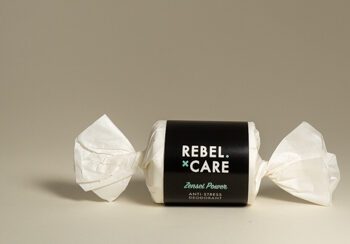
At Rebel.Care, we’ve built our deodorant system around refillability because it addresses waste at the source. Our bioplastic cases made from sugarcane give you the best of both worlds: plant-based materials you use repeatedly instead of discarding. The refills come in compostable packaging, completing a system designed for minimal environmental impact.
You don’t need to become an expert in plastic chemistry to make better choices. Focus on products designed for reuse, check whether your local waste system can actually process the materials, and remember that the most sustainable package is the one you don’t throw away.
Frequently Asked Questions
How can I tell if my local area has industrial composting facilities that accept bioplastic?
Contact your local waste management authority or municipal recycling program directly to ask about industrial composting services. You can also check your bioplastic packaging for certification labels like BPI (Biodegradable Products Institute) or EN 13432, then search online for facilities that accept these certifications in your area. Many waste management websites now include searchable databases where you can enter material types to find appropriate disposal locations.
What should I do with bioplastic deodorant packaging if I don't have access to industrial composting?
If industrial composting isn't available, check whether the bioplastic is recyclable in your standard recycling stream—some types are, but others contaminate recycling batches. Contact the deodorant manufacturer to ask about take-back programs, as some brands collect their packaging for proper processing. If neither option exists, the packaging will likely need to go in regular trash, which is why switching to a refillable system makes more practical sense than relying on bioplastic disposal.
Are refillable deodorant systems hygienic, or do bacteria build up in the reusable case?
Refillable deodorant systems are hygienic when used properly because the product itself contains antimicrobial ingredients that prevent bacterial growth. The case remains clean since you're replacing the entire product portion with each refill, not adding to existing product. Simply wipe the case with a damp cloth between refills if desired, though the design typically prevents any product residue from accumulating in areas you touch.
How long does a refillable deodorant case typically last before needing replacement?
A well-made refillable deodorant case should last 2-5 years or longer with regular use, depending on the material quality and how carefully you handle it. Most cases are designed to withstand dozens of refills, meaning you could go through 20-40 refills before considering a replacement. The durability far exceeds single-use containers, which is why the environmental impact per use becomes so minimal over time.