Home / Blog / Deodorants / What ingredients should you look for in natural refillable deodorants?
What ingredients should you look for in natural refillable deodorants?
Chemical reviewed by Eric
Written by the Rebel.Care Editorial Team
Last updated 01/01/2026
When choosing natural refillable deodorants, look for plant-based odour neutralisers like baking soda or magnesium hydroxide, moisturising ingredients such as coconut oil and shea butter, and eco-friendly packaging systems that reduce waste. The best natural deodorant ingredients work without aluminium whilst nourishing your skin, and refillable formats help you maintain effectiveness whilst cutting down on single-use plastic.
What makes a deodorant truly natural and safe for daily use?
A deodorant qualifies as natural when it contains plant-based or mineral ingredients rather than synthetic chemicals. You’re looking at things like essential oils, natural powders, and plant butters instead of aluminium compounds, parabens, or artificial fragrances. Natural deodorants work with your body rather than against it.
The difference between synthetic and plant-based components matters for your skin. Synthetic ingredients often block your pores completely or contain chemicals that can irritate sensitive skin. Natural alternatives let your body function normally whilst managing odour through antibacterial properties and moisture absorption.
Safety standards for natural personal care products focus on ingredient transparency. You should be able to read a deodorant’s ingredient list and understand what each component does. No hidden chemicals, no confusing names that mask questionable additives. Just straightforward ingredients you’d recognise.
Common natural alternatives include mineral salts, plant oils, and food-grade powders. These ingredients have been used for generations and don’t require a chemistry degree to understand. They’re safe for all skin types and won’t cause the long-term concerns associated with conventional deodorant chemicals.
Which active ingredients actually neutralise odour without aluminium?
Natural odour-fighting ingredients work by targeting bacteria or absorbing moisture, not by blocking your sweat glands. Baking soda neutralises acidic odour compounds whilst creating an environment where odour-causing bacteria struggle to thrive. It’s effective but can irritate sensitive skin in high concentrations.
Magnesium hydroxide offers gentler odour control for those who find baking soda too harsh. It adjusts your skin’s pH without the irritation, making it suitable for daily use on all skin types. This mineral compound absorbs moisture whilst preventing bacterial growth naturally.
Zinc oxide provides antibacterial protection whilst soothing your skin. It’s the same ingredient used in nappy creams, so you know it’s gentle enough for sensitive areas. Zinc works by disrupting bacterial cell walls, preventing the microbes that cause odour from multiplying.
Arrowroot powder absorbs moisture without clogging your pores. This plant-based starch keeps you feeling dry whilst allowing your body to sweat naturally. It’s particularly useful in aluminum-free deodorant formulas because it addresses wetness without the health concerns of conventional antiperspirants.
These ingredients don’t block your sweat glands like aluminium compounds do. Your body needs to sweat for temperature regulation and toxin removal. Natural alternatives let that process happen whilst managing the bacteria that create unpleasant smells.
Why do natural deodorants include oils and butters in their formulas?
Oils and butters serve multiple purposes in natural deodorant formulations. They create a smooth application base that glides onto your skin without tugging or irritation. Without these moisturising ingredients, natural powders would feel dry and uncomfortable during application.
Coconut oil brings natural antibacterial properties to the formula. It contains lauric acid, which fights the bacteria responsible for body odour whilst moisturising your underarm skin. This dual action makes it particularly valuable in eco-friendly deodorant formulations.
Shea butter provides deep nourishment and helps prevent irritation from active ingredients. If you’ve ever experienced redness or discomfort from natural deodorants, it’s often because the formula lacks enough moisturising components. Shea butter creates a protective barrier whilst delivering vitamins that support healthy skin.
Jojoba oil mimics your skin’s natural sebum, making it easily absorbed without leaving greasy residue. It helps other ingredients penetrate effectively whilst maintaining your skin’s moisture balance. This prevents the dryness that can occur with powder-based natural formulas.
These ingredients also support the deodorant’s structure. Natural formulas need something to hold powdered ingredients together and create a stable consistency. Oils and butters provide that base whilst adding beneficial properties rather than just serving as inert fillers.
How do refillable deodorants maintain effectiveness whilst reducing waste?
Refillable deodorant systems separate the permanent container from the product itself. You keep a durable case and replace only the inner refill cartridge when you run out. This approach cuts packaging waste significantly without compromising the natural deodorant ingredients or their effectiveness.
The refill format uses the same concentrated formulas as original products. Nothing changes about the ingredient quality or potency. You’re getting identical odour protection and skin benefits, just with less packaging waste each time you repurchase.
Packaging innovations now include bioplastic materials made from renewable resources like sugarcane. These alternatives break down more readily than petroleum-based plastics whilst maintaining the durability needed for daily use. Recyclable materials ensure that even the packaging you do use doesn’t end up in landfills.
The refill process itself is straightforward. You remove the empty cartridge, insert a new one, and continue using the same outer case. No complicated systems, no mess, no learning curve. It’s as simple as replacing a battery.
This system offers cost benefits alongside environmental ones. Refills typically cost less than purchasing entirely new products because you’re not paying for redundant packaging. Over time, this makes premium natural personal care more accessible whilst supporting sustainability.
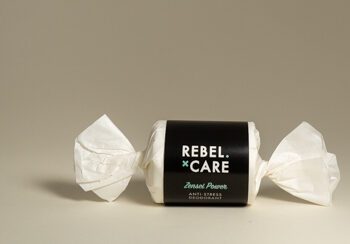
Whether you’re new to natural deodorants or looking to make your routine more sustainable, explore refillable options that combine effective ingredients with responsible packaging. At Rebel.Care, we’ve built our deodorant range around this principle: better ingredients, smarter systems, and respect for both your skin and the planet. No compromises, no bullshit, just natural protection that works for all men.
Frequently Asked Questions
How long does it take for my body to adjust to natural deodorant after switching from conventional antiperspirant?
Most people experience a transition period of 2-4 weeks when switching from aluminium-based antiperspirants to natural deodorants. During this time, your body purges built-up toxins and your sweat glands readjust to functioning normally. You may notice increased sweating or odour initially, but this is temporary. Stick with it, stay hydrated, and consider exfoliating your underarms gently to help speed up the detox process.
What should I do if baking soda in natural deodorant irritates my skin?
If you experience redness, itching, or a rash from baking soda, switch to a formula with magnesium hydroxide or zinc oxide instead. These alternatives provide effective odour control without the alkalinity that causes irritation for some people. You can also try applying deodorant to completely dry skin and reducing application frequency until your skin adapts. If irritation persists, look for baking soda-free formulations specifically designed for sensitive skin.
Can I use natural refillable deodorant if I'm very active or exercise frequently?
Absolutely. Natural deodorants work well for active lifestyles, though you may need to reapply after intense workouts or long training sessions. Look for formulas with higher concentrations of moisture-absorbing ingredients like arrowroot powder and antibacterial components like magnesium hydroxide. Some people find that applying natural deodorant both morning and post-shower after exercise provides optimal protection throughout the day.
How do I properly store refillable deodorant to maintain its effectiveness?
Keep your refillable deodorant in a cool, dry place away from direct sunlight and heat sources. Natural formulas containing oils and butters can soften or melt in temperatures above 25°C (77°F), which won't harm the product but can affect texture. If your deodorant does soften, simply refrigerate it for 30 minutes to restore the proper consistency. Avoid storing in humid bathrooms if possible, as moisture can affect powder-based ingredients.