Home / Blog / Deodorants / What is bioplastic packaging for deodorant?
What is bioplastic packaging for deodorant?
Chemical reviewed by Eric
Written by the Rebel.Care Editorial Team
Last updated 29/11/2025
Bioplastic packaging for deodorant refers to containers made from renewable plant-based materials like sugarcane, corn starch, or vegetable oils instead of petroleum-based plastics. These eco-friendly deodorant containers function just like regular plastic but come from sustainable sources that reduce fossil fuel dependency. Bioplastics offer the same durability and protection for your deodorant whilst supporting better environmental practices. Whether you’re concerned about packaging waste or looking for sustainable grooming products, understanding how bioplastics work helps you make informed choices.
What exactly is bioplastic packaging and how does it differ from regular plastic?
Bioplastic packaging comes from renewable plant sources rather than petroleum. Traditional plastic deodorant containers use fossil fuels as their raw material, whilst bioplastic containers derive from crops like sugarcane, corn, or cassava. Both materials provide the same protective qualities for your deodorant, but bioplastics reduce carbon emissions during production.
The manufacturing process transforms plant sugars or starches into polymers that behave like conventional plastic. These polymers can be moulded into any shape, making them perfect for deodorant containers that need to be sturdy and reliable. You won’t notice a difference in how the packaging feels or works.
The main advantage lies in the source material. Regular plastic ties you to finite fossil fuel resources. Bioplastic packaging uses crops that regrow each season, creating a renewable cycle. This shift matters for reducing the personal care industry’s environmental footprint without compromising product quality.
Some bioplastics are chemically identical to petroleum-based versions but made from different starting materials. Others have unique properties that make them more suitable for specific applications. For deodorant packaging, manufacturers choose bioplastics that match the durability and moisture resistance you need.
Why are deodorant brands switching to bioplastic containers?
Brands switch to bioplastic containers because they align with natural ingredient philosophies. If you’re already choosing men’s natural deodorant for what goes on your skin, it makes sense that the packaging reflects those same values. Using sustainable deodorant packaging completes the circle of environmental responsibility.
The carbon footprint difference is significant. Plant-based materials absorb CO2 whilst growing, offsetting some emissions from manufacturing. Petroleum extraction and processing for traditional plastic containers releases greenhouse gases without this natural balance. Switching reduces the overall environmental impact of producing your deodorant.
Consumer demand drives this change too. You’re asking for products that don’t compromise the planet. Brands respond by finding packaging solutions that work practically whilst meeting your expectations for sustainability. It’s not about greenwashing, it’s about genuine material innovation.
The personal care industry produces massive amounts of packaging waste annually. Deodorant containers alone contribute significantly to this problem. By adopting biodegradable packaging materials, brands reduce their contribution to landfill accumulation. This matters whether you’re buying one deodorant or restocking throughout the year.
Natural ingredients and eco-friendly deodorant containers work together. You wouldn’t put synthetic chemicals in a natural formula, so why wrap it in petroleum-based packaging? The logic extends beyond marketing to create genuinely more sustainable products from formula to disposal.
How does bioplastic packaging break down compared to traditional plastic?
Bioplastic breaks down faster than traditional plastic under the right conditions, but it’s not magic. Regular plastic can persist for hundreds of years in landfills or oceans. Bioplastic materials typically decompose within several months to a few years when exposed to proper composting environments with heat, moisture, and microorganisms.
The breakdown process requires specific conditions that don’t exist everywhere. Industrial composting facilities provide the heat and microbial activity needed for efficient decomposition. Home compost bins might work for some bioplastics but not all. Temperature and moisture levels determine how quickly the material breaks down.
In landfills, bioplastics don’t necessarily decompose faster than regular plastic. Without oxygen and proper conditions, both materials can last for decades. The environmental benefit comes more from reduced production emissions and renewable sourcing than guaranteed rapid breakdown in any environment.
Ocean environments present different challenges. Whilst bioplastics generally break down faster in marine settings than petroleum plastics, they still cause harm if they end up there. The goal isn’t to create littering-friendly packaging, it’s to support proper disposal systems that handle materials responsibly.
Your deodorant’s bioplastic container needs appropriate disposal. Check whether your local waste system accepts bioplastics for composting. If not, many bioplastics can be recycled through standard plastic streams, though this varies by region and material type. Proper disposal matters more than the material itself.
Can you recycle bioplastic deodorant packaging?
Recycling bioplastic deodorant packaging depends on your local system’s capabilities. Some bioplastics are chemically identical to petroleum-based plastics and fit into existing recycling streams without issues. Others require separate processing that not all facilities offer. Your region’s recycling infrastructure determines what’s actually recyclable at your kerb.
Standard recycling systems sort plastics by type. Bioplastics that match conventional plastic chemistry (like bio-PE or bio-PET) can be recycled alongside their petroleum-based counterparts. The recycling facility can’t tell the difference, and the material processes the same way. This makes them practical for widespread use.
PLA-based bioplastics (made from corn starch or sugarcane) need different handling. They can contaminate traditional plastic recycling streams if mixed incorrectly. Some areas collect them separately for industrial composting instead. You’ll need to check your local guidelines to dispose of these properly.
Regional differences create confusion. One city might accept all bioplastics in recycling bins, whilst the neighbouring area requires you to bin them as general waste. Contact your local waste management service or check their website for specific guidance on biodegradable packaging materials.
Alternative disposal options include refill programmes that eliminate packaging waste entirely. Instead of recycling containers repeatedly, you refill the same one multiple times. This reduces the need for new materials, whether bioplastic or conventional, and cuts down on processing energy.
The best approach combines material choice with smart consumption. Bioplastic packaging works better when paired with systems that maximise its environmental benefits. Whether that’s proper recycling, industrial composting, or refilling programmes, how you handle the container matters as much as what it’s made from.
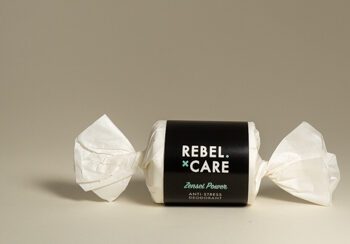
At Rebel.Care, we use bioplastic packaging made from sugarcane for our deodorants because it aligns with our natural ingredient philosophy. Our refill system takes this further by letting you reuse containers instead of disposing of them. Better materials and better systems create genuinely sustainable grooming without the bullshit. Whether you’re just starting to think about packaging waste or you’re already deep into sustainable living, practical solutions matter more than perfect ones.
Frequently Asked Questions
What should I do with my bioplastic deodorant container if my local area doesn't accept it for recycling or composting?
If your local system doesn't accept bioplastics, look for refill programmes that let you reuse the same container multiple times instead of disposing of it. You can also check if nearby towns have industrial composting facilities that accept drop-offs, or contact the brand directly to see if they offer a take-back scheme. As a last resort, disposing of it as general waste is still better than contaminating recycling streams with incompatible materials.
How can I tell if my deodorant packaging is actually bioplastic and not just regular plastic?
Check the packaging labels or product information for terms like 'bio-PE', 'bio-PET', 'PLA', or mentions of plant-based materials such as sugarcane or corn starch. Reputable brands will clearly state their packaging materials on the container or their website. If you're unsure, contact the manufacturer directly—brands using genuine bioplastics are usually proud to share specific details about their materials and sourcing.
Does bioplastic packaging affect the shelf life or quality of the deodorant inside?
No, bioplastic packaging provides the same protective qualities as traditional plastic, including moisture resistance and durability. Your deodorant will last just as long and stay just as fresh in a bioplastic container. Manufacturers specifically choose bioplastic formulations that match the performance requirements needed for personal care products, so you won't experience any difference in product quality or longevity.
Is bioplastic packaging actually better for the environment, or is it just greenwashing?
Bioplastics offer genuine environmental benefits when part of a complete system—they reduce fossil fuel dependency, lower production emissions, and use renewable resources. However, the benefits depend on proper disposal and aren't automatic. The real advantage comes from combining bioplastic materials with refill programmes or proper composting systems, not just swapping materials and maintaining wasteful consumption patterns.