Home / Blog / Deodorants / What is circular economy deodorant?
What is circular economy deodorant?
Chemical reviewed by Eric
Written by the Rebel.Care Editorial Team
Last updated 26/11/2025
Circular economy deodorant follows a refillable system that keeps packaging in use instead of throwing it away after each product runs out. You buy one container and refill it with pouches or cartridges at lower prices, reducing waste while saving money. These products typically use natural ingredients and sustainable packaging materials like bioplastics, aligning environmental responsibility with practical daily grooming.
What exactly is circular economy deodorant?
Circular economy deodorant breaks the traditional buy-use-bin cycle by keeping materials in circulation longer. Instead of purchasing a new plastic container every time you run out, you keep one durable container and refill it repeatedly with replacement products.
The system works on three principles. You reduce packaging waste by reusing the same container multiple times. You minimise resource extraction because manufacturers need fewer raw materials for refill pouches than full packages. You close the loop by returning empty containers or using packaging made from renewable or recycled materials that feed back into production.
This approach applies circular economy thinking to men’s grooming. Traditional deodorants follow a linear path: make, use, dispose. Circular economy deodorant creates a loop where materials stay useful. The container becomes a long-term tool rather than temporary packaging.
Refillable systems work for various deodorant formats. Stick deodorants use replacement cartridges. Roll-ons accept refill bottles. Some brands offer subscription services that automatically send refills, whilst others let you purchase as needed. The key element remains consistent: one container serves you for months or years instead of weeks.
How does refillable deodorant actually work?
Refillable deodorant starts with purchasing an initial container designed for repeated use. This container costs more upfront but lasts significantly longer than disposable options. Once you’ve used the product inside, you buy a refill pouch or cartridge at a reduced price rather than purchasing another complete package.
The refilling process takes seconds. For stick deodorants, you twist out the empty base, insert the new cartridge, and click it into place. Roll-on systems typically unscrew at the top, allowing you to pour in refill liquid or snap in a new roller ball. Some designs use push-up mechanisms where you simply slide the new product into the existing case.
Hygiene stays intact because refills come sealed until use. You’re not handling the actual product during refilling. The container protects the deodorant just as effectively on the tenth refill as it did when new. Quality materials ensure the mechanism doesn’t wear out after a few uses.
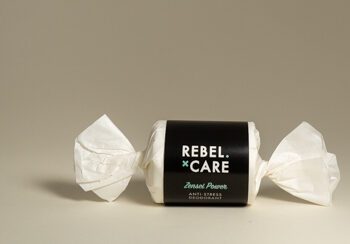
Refill pouches use considerably less packaging than full products. They’re often made from recyclable materials or designed to return to manufacturers for proper processing. This reduces packaging waste by up to 80% compared to buying new containers repeatedly. You can explore various options through sustainable grooming products that prioritise this approach.
Why choose natural ingredients in circular economy deodorant?
Natural ingredients complement waste reduction by ensuring what goes down the drain doesn’t harm water systems. Circular economy thinking extends beyond packaging to include what’s inside the container. Aluminium-free, paraben-free formulations align with environmental sustainability because they break down safely without accumulating in ecosystems.
Your skin benefits from natural deodorants regardless of type. Sensitive skin reacts better to plant-based ingredients than synthetic chemicals. Normal skin maintains its natural balance without aluminium compounds blocking sweat glands. All skin types avoid long-term exposure to ingredients that research continues questioning.
Chemical-free formulations make the circular economy model more meaningful. There’s limited value in reducing plastic waste whilst filling that plastic with substances that damage health or environment. Natural ingredients ensure the entire product lifecycle considers impact, not just the packaging.
Men’s natural deodorant using ingredients like coconut oil, shea butter, and plant-based odour neutralisers provides effective protection without compromise. You’re not choosing between performance and principles. Modern formulations work throughout active days whilst supporting both personal health and environmental responsibility.
This combination matters for comprehensive eco-friendly men’s grooming. Sustainable packaging loses impact if the contents harm what you’re trying to protect. Natural ingredients complete the circular economy approach by ensuring every element considers long-term consequences rather than short-term convenience.
What makes packaging truly sustainable for men’s deodorant?
Sustainable deodorant packaging uses materials that either biodegrade safely, come from renewable sources, or recycle effectively. Bioplastics made from sugarcane or corn starch offer one solution. These materials function like traditional plastic but break down naturally or return to production cycles without petroleum extraction.
Recyclable components work when designed for actual recycling systems. Many packages claim recyclability but use mixed materials that facilities can’t process. Truly sustainable packaging separates easily into recyclable streams or uses single materials that existing infrastructure handles.
Distinguishing genuine sustainability from greenwashing requires looking beyond marketing claims. Check whether packaging actually accepts refills or just looks natural. Verify if bioplastic certifications exist. Confirm whether the company operates take-back programmes for used containers. Real commitment shows through systems, not just statements.
Material choices affect both environmental footprint and product preservation. Glass protects products well but weighs more, increasing transport emissions. Aluminium containers last forever and recycle infinitely but require significant energy to produce. Bioplastics balance durability with end-of-life considerations, though they need proper disposal conditions.
Zero waste deodorant systems prioritise refillability above all. The most sustainable package is one you don’t throw away. Even biodegradable materials consume resources to produce. Refillable containers that last years beat any single-use option, regardless of how eco-friendly that single-use package claims to be.
How much money can you save with refillable deodorant systems?
Refillable deodorant systems cost more initially but save money over time through discounted refills. You might pay £12-15 for an initial container compared to £6-8 for disposable deodorant. However, refills typically cost £5-7, creating savings from your second purchase onward.
Annual savings depend on usage frequency. Someone buying deodorant monthly spends roughly £72-96 yearly on disposable options. With refillable systems, you’d spend £12-15 initially plus £60-84 on refills, totalling £72-99 for the first year. From year two, you’re spending only £60-84 annually, saving £12-12 each year.
These numbers improve with subscription models offering additional refill discounts. Many brands reduce refill prices by 15-25% for subscribers. That brings annual costs down to £45-65, creating £27-31 in yearly savings compared to disposable alternatives.
The economic benefits compound over several years. Your initial container lasts indefinitely with proper care. By year five, you’ve saved £60-155 depending on subscription discounts and usage patterns. This demonstrates how environmental responsibility aligns with financial sense for everyday grooming routines.
Refillable systems also reduce impulse purchases. You’re buying refills intentionally rather than grabbing whatever’s on sale. This mindful consumption often means using products completely before replacing them, eliminating waste from half-empty containers forgotten in bathroom cabinets.
Making the switch to circular economy grooming
Circular economy deodorant represents practical sustainability without sacrifice. You reduce waste, save money after initial investment, and often get better ingredients for your skin. The refillable approach works because it makes environmental responsibility convenient rather than complicated.
Whether you’re just starting to consider eco-friendly men’s grooming or you’re already committed to reducing your environmental impact, refillable deodorant offers an accessible entry point. The system requires minimal behaviour change whilst delivering meaningful waste reduction.
At Rebel.Care, we’ve built our entire approach around this principle. Our refillable deodorants use natural ingredients, bioplastic packaging from sugarcane, and a subscription system that makes sustainable grooming automatic. We manufacture everything in Amsterdam, ensuring quality control whilst supporting local production. It’s grooming without the bullshit, for all men, all ages, all skin types.
Frequently Asked Questions
How long does a refillable deodorant container typically last before needing replacement?
A quality refillable deodorant container is designed to last indefinitely with proper care. The durable materials and mechanisms should function effectively for years, potentially lasting a lifetime. Only replace the container if it becomes damaged or the mechanism stops working properly, which is rare with well-designed systems.
Can I travel with refillable deodorant, and is it TSA-compliant?
Yes, refillable deodorant is travel-friendly and TSA-compliant. Stick deodorants have no liquid restrictions regardless of size. Roll-on refillable systems follow the same 100ml liquid rules as traditional roll-ons. The durable container design actually makes refillable options more secure for travel than flimsy disposable packaging that might leak or break.
Will natural deodorant work as well during intense workouts or hot weather?
Modern natural deodorants are formulated to handle active lifestyles and warm conditions effectively. They neutralise odour rather than blocking sweat glands like aluminium-based products. Your body may need a 2-4 week adjustment period when switching from conventional deodorant as your sweat glands regulate naturally, but performance typically matches or exceeds traditional options once adjusted.
Are refill pouches themselves recyclable, or do they create different waste?
This varies by brand, so check specific packaging details. Quality circular economy brands design refill pouches from recyclable mono-materials or compostable bioplastics, and some operate return programmes where you send empty pouches back for proper processing. Even standard refill pouches use 80% less material than full packages, but brands committed to true circularity ensure refills integrate into waste-free systems.