Home / Blog / Deodorants / What is sustainable deodorant packaging?
What is sustainable deodorant packaging?
Chemical reviewed by Eric
Written by the Rebel.Care Editorial Team
Last updated 06/11/2025
Sustainable deodorant packaging uses eco-friendly materials like bioplastics, recyclable containers, or refillable systems that reduce environmental impact. Unlike traditional plastic packaging that creates waste, sustainable options either break down naturally or can be reused multiple times. This packaging complements aluminium free deodorant formulations, offering health-conscious consumers a complete natural grooming solution.
What exactly is sustainable deodorant packaging and why does it matter?
Sustainable deodorant packaging refers to containers made from biodegradable materials, recyclable components, or refillable systems that minimize environmental waste. Traditional deodorant packaging creates millions of plastic containers that end up in landfills annually, while sustainable alternatives either decompose naturally or eliminate single-use waste entirely.
The shift matters because conventional deodorant tubes combine multiple plastics that can’t be easily separated for recycling. When you’re already choosing aluminium free deodorant for health reasons, sustainable packaging completes your commitment to both personal and environmental wellness.
Health-conscious consumers increasingly recognize that their grooming choices affect more than just their bodies. Whether you’re concerned about hormone-disrupting chemicals or plastic waste, sustainable packaging aligns with natural lifestyle values. It’s particularly relevant for men using natural deodorant sustainability practices who want their entire routine to reflect their environmental principles.
The environmental impact extends beyond waste reduction. Sustainable packaging often requires less energy to produce and transport, creating a smaller carbon footprint from production to disposal.
What materials make deodorant packaging truly sustainable?
Truly sustainable deodorant materials include bioplastics made from plant sources, recyclable aluminum, cardboard tubes, and glass containers. Each offers different benefits: bioplastics decompose naturally, aluminum recycles indefinitely, cardboard breaks down quickly, and glass provides durability with complete recyclability.
Bioplastics represent the most innovative option for eco-friendly deodorant containers. Made from materials like sugarcane or corn starch, these containers look and feel like traditional plastic but break down in industrial composting facilities. They work particularly well with natural formulations because they don’t leach chemicals into the product.
Recyclable aluminum offers durability and infinite recyclability. Unlike plastic, aluminum maintains its properties through countless recycling cycles. However, it requires more energy to produce initially, making it better suited for refillable systems where the container gets multiple uses.
Cardboard tubes provide the most plastic-free deodorant packaging option. They’re lightweight, compostable, and use renewable resources. The main drawback is moisture sensitivity, which requires careful storage in humid environments.
Glass containers offer premium durability and complete recyclability. They’re ideal for cream deodorants and work well in refillable systems. The weight makes shipping less efficient, but their longevity often compensates for the initial environmental cost.
How do refillable deodorant systems actually work?
Refillable deodorant systems use a permanent outer container that holds replaceable inner cartridges or accepts bulk product refills. You purchase the initial container once, then buy only the product refills, typically saving 20-40% on costs while reducing packaging waste by up to 80%.
The process works differently depending on the system type. Cartridge-based systems let you pop out empty inserts and click in new ones. The outer container provides the application mechanism while inner cartridges contain the actual deodorant. This approach works well for stick formulations and maintains hygiene standards.
Bulk refill systems involve adding loose product to a permanent container. You receive refill packets or visit refill stations to replenish your container. This method offers maximum waste reduction but requires more handling of the actual product.
Subscription-based refill programs automatically send replacement cartridges or refill packets based on your usage schedule. You never run out of protection, and the regular delivery reduces packaging per unit compared to individual purchases. Many users find this convenience factor makes sustainable choices easier to maintain long-term.
The cost savings compound over time. While initial containers might cost more, refills typically cost 30-50% less than buying complete new units. For someone using aluminium free deodorant daily, annual savings can reach £20-40 while significantly reducing waste.
What’s the difference between biodegradable and recyclable deodorant packaging?
Biodegradable deodorant packaging breaks down naturally through biological processes, while recyclable containers get processed into new products through industrial systems. Biodegradable options work better for single-use applications, while recyclable materials suit refillable systems and areas with robust recycling infrastructure.
Biodegradable packaging decomposes completely under proper conditions, leaving no permanent waste. Materials like cardboard and certain bioplastics break down in 3-6 months in commercial composting facilities. However, they often need specific conditions to decompose properly and may not break down in regular landfills.
Recyclable packaging gets transformed into new products through mechanical or chemical processes. Aluminum and glass recycle indefinitely without quality loss, while most plastics can be recycled several times before degrading. The effectiveness depends entirely on local recycling infrastructure and consumer participation.
For long-term aluminium free deodorant users, the choice often depends on local waste management systems. If your area has excellent recycling programs, recyclable containers might create less environmental impact. In areas with limited recycling but good composting, biodegradable options work better.
Consider your usage patterns too. If you stick with the same deodorant long-term, refillable recyclable containers offer maximum sustainability. If you like trying different products, biodegradable single-use containers create less waste accumulation.
The best sustainable choice combines both approaches: using refillable containers for your regular deodorant while choosing biodegradable packaging when trying new products. This strategy maximizes both convenience and environmental responsibility.
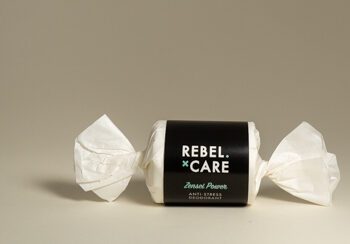
Sustainable deodorant packaging transforms your daily routine into an environmental statement. Whether you choose biodegradable materials, recyclable containers, or refillable systems, you’re reducing waste while supporting your health with natural formulations. At Rebel.Care, we’ve embraced this philosophy with our bioplastic containers and refill programs, proving that premium natural deodorants can protect both you and the planet without compromise.
Frequently Asked Questions
How do I transition from traditional deodorant packaging to sustainable options without disrupting my routine?
Start by finishing your current deodorant, then choose one sustainable option to try first—cardboard tubes are easiest for beginners. Once comfortable, you can explore refillable systems or bioplastic containers. Most people find the transition seamless since the application method remains the same, just with eco-friendly packaging.
What should I do if biodegradable deodorant packaging gets damaged by moisture in my bathroom?
Store cardboard-packaged deodorants in a cool, dry area outside the bathroom, or use a moisture-absorbing container. If packaging does get soft, the deodorant inside remains effective—just transfer it to a small glass container. Consider switching to bioplastic or aluminum options if your bathroom stays consistently humid.
Are refillable deodorant systems actually more cost-effective than buying regular deodorants on sale?
Yes, refillable systems typically save 20-40% annually even when factoring in sales on traditional deodorants. The initial container investment pays off after 2-3 refills, and bulk purchasing refills often provides additional discounts. Track your spending for 6 months to see the real savings impact.
Can I recycle bioplastic deodorant containers in my regular household recycling bin?
No, most bioplastic containers require industrial composting facilities and cannot go in regular recycling bins. Check with your local waste management for composting programs, or look for brands that offer take-back programs. Some areas have specialized bioplastic collection points at grocery stores or community centers.
What happens if I'm traveling and need to replace my refillable deodorant—are refills available everywhere?
Refills aren't universally available, so plan ahead for travel. Pack backup refill cartridges for longer trips, or choose brands with international shipping for extended travel. Some refillable systems accept similar-sized cartridges from different brands as temporary solutions.
How can I tell if a deodorant package claiming to be 'eco-friendly' is actually sustainable?
Look for specific certifications like 'compostable' (ASTM D6400 or EN 13432), recyclability symbols, or third-party sustainability certifications. Avoid vague terms like 'natural packaging'—legitimate sustainable packaging will clearly state the materials used and disposal methods. Research the brand's overall environmental commitments beyond just packaging claims.
Is it worth switching to sustainable deodorant packaging if my local recycling program is limited?
Absolutely—choose biodegradable options like cardboard tubes that can be composted at home, or look for brands with mail-back programs for their containers. Even in areas with poor recycling, reducing overall packaging waste through refillable systems still creates environmental benefits. Focus on options that work within your local waste management capabilities.