Home / Blog / Deodorants / What is the carbon footprint reduction of using refillable deodorants?
What is the carbon footprint reduction of using refillable deodorants?
Chemical reviewed by Eric
Written by the Rebel.Care Editorial Team
Last updated 09/01/2026
Refillable deodorants can reduce carbon footprint by 40-70% compared to traditional single-use containers. The biggest savings come from eliminating repeated manufacturing of new packaging, which accounts for most of a deodorant’s environmental impact. You keep one durable container and replace only the product inside, cutting material use, production emissions, and transport weight. This simple switch makes a measurable difference in packaging waste reduction and sustainable personal care.
What exactly is a refillable deodorant and how does it work?
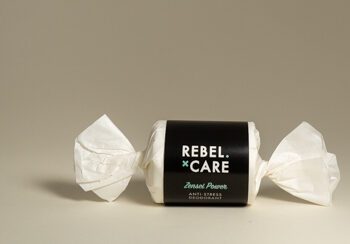
A refillable deodorant uses a permanent outer case that you keep, paired with replacement refills you swap in when empty. The case is typically made from durable materials like recycled plastic or aluminium, whilst refills come in minimal, often compostable packaging. You simply remove the empty refill cartridge and click in a new one.
Traditional deodorants throw away the entire container each time. That means manufacturing a new plastic tube, metal roller, or aerosol can for every purchase. Refillable systems change this by separating the durable case from the consumable product inside.
The refill mechanism varies by brand. Some use twist-up sticks that slot into the case. Others have push-in cartridges. The key difference is that you’re only replacing the deodorant itself, not the entire package. This cuts material consumption by up to 80% compared to buying new containers repeatedly.
Most refillable deodorant systems work just like traditional ones. You apply the same way, get the same coverage, and store them identically. The only change is how you replace them when empty.
How much carbon emissions do refillable deodorants actually save?
Switching to refillable deodorants typically saves 40-70% of carbon emissions compared to single-use options. A standard plastic deodorant container generates roughly 50-80 grams of CO2 during manufacturing. Multiply that by 12-15 deodorants per year over a lifetime, and you’re looking at several kilograms of unnecessary emissions.
Manufacturing new packaging creates the biggest carbon footprint. Producing virgin plastic releases about 6kg of CO2 per kilogram of plastic. Aluminium production is even worse, requiring massive energy inputs and generating 12-16kg of CO2 per kilogram of material. Refill cartridges use far less material and often come in paper or compostable packaging.
Transportation impact drops too. Refills weigh less and pack more efficiently than full containers. That means more units per shipping container, fewer lorries on roads, and lower fuel consumption per product delivered. Over time, these savings add up significantly.
A lifecycle analysis shows refillable systems win across the board. One durable case used for two years replaces 24 single-use containers. Even accounting for the initial case production, you’re still cutting total emissions by more than half.
Why does packaging matter so much for deodorant environmental impact?
Packaging accounts for 60-80% of a deodorant’s total environmental footprint. The container itself often requires more resources and energy to produce than the actual product inside. Most people focus on what’s in their deodorant, but the real environmental cost is what holds it.
Plastic deodorant tubes need petroleum extraction, refining, and polymerisation. Each step burns fossil fuels and releases greenhouse gases. A typical 50ml plastic container uses about 15-20 grams of plastic, but creating that plastic generated far more CO2 than its weight suggests.
Aluminium manufacturing demands even more energy. Extracting aluminium from bauxite ore requires temperatures above 900°C. The process consumes roughly 15 kilowatt-hours of electricity per kilogram. That’s enough energy to power your home for half a day, just to make one deodorant container.
Disposal creates another problem. Mixed-material containers with plastic caps, metal rollers, and different plastic types rarely get recycled properly. They end up in landfills where they’ll sit for centuries. The cumulative effect of buying 200-300 deodorants over a lifetime creates a personal packaging mountain that never goes away.
What happens to all the deodorant containers people throw away?
Millions of deodorant containers hit landfills every day. In the UK alone, people bin roughly 40 million plastic deodorant containers annually. That’s enough to fill several football pitches with plastic that’ll persist in the environment for 400-500 years.
Landfill accumulation happens faster than you’d think. Your household probably goes through 4-6 deodorants per year. Multiply that across millions of homes, and you’re looking at massive volumes of unnecessary waste. Most of these containers could be avoided with refillable systems.
Recycling sounds like a solution, but it’s complicated. Many deodorant containers combine multiple plastic types, metal springs, and other components that can’t be separated easily. Recycling facilities often reject them because the sorting process costs more than the recovered material is worth. Even “recyclable” containers frequently end up in general waste.
Plastic components don’t disappear. They break into smaller pieces called microplastics that contaminate soil and water. These particles enter food chains and accumulate in wildlife. A single deodorant container fragments into thousands of microplastic pieces over decades.
The broader waste management challenge is that our systems weren’t designed for this volume. We produce packaging faster than we can process it responsibly. Refillable deodorants sidestep this entire problem by keeping containers in use instead of in bins.
How does switching to refills compare with buying natural deodorants?
Natural ingredients and refillable packaging solve different environmental problems. Natural deodorants reduce chemical pollution and health concerns from synthetic ingredients. Refillable systems tackle packaging waste and manufacturing emissions. You’re comparing what goes on your skin versus what goes in the bin.
Combining both approaches maximises your sustainability impact. A natural deodorant in single-use plastic still creates packaging waste. A refillable deodorant with synthetic ingredients still puts questionable chemicals on your body. The sweet spot is natural formulations in refillable containers, addressing both ingredient quality and eco-friendly deodorant packaging.
Natural deodorants often use ingredients that require less energy-intensive processing. They skip petroleum-derived compounds and synthetic fragrances that need industrial chemical synthesis. This reduces the product’s carbon footprint before packaging even enters the equation.
The complementary benefits work together. Natural ingredients mean safer manufacturing processes with fewer toxic byproducts. Refillable packaging means less material extraction and waste. You’re not choosing between them, you’re stacking sustainable choices that reinforce each other.
We’ve combined both at Rebel.Care because half-measures don’t work. Our natural deodorants in refillable containers give you effective protection without the environmental guilt. You shouldn’t have to compromise between what works for you and what works for the planet.
Frequently Asked Questions
How long does a refillable deodorant case typically last before needing replacement?
A quality refillable deodorant case should last 2-5 years with regular use, and many last even longer. The durable materials like aluminium or recycled plastic are designed to withstand daily handling and bathroom humidity. If your case becomes damaged or the mechanism stops working smoothly, most brands offer replacement cases, though this rarely happens within the first few years of use.
Are refillable deodorants more expensive than traditional ones in the long run?
Refillable deodorants typically cost less over time despite higher initial investment. Whilst you'll pay £10-20 for the initial case, refills usually cost 20-40% less than buying a complete new deodorant. After your first 3-4 refills, you've broken even, and every purchase after that saves you money whilst reducing environmental impact.
Do refillable deodorants work as effectively as traditional ones?
Refillable deodorants perform just as effectively as traditional options because the delivery system doesn't affect the formula's performance. The active ingredients that control odour and wetness work identically whether they're in a single-use or refillable container. Many refillable brands use natural, high-quality formulations that match or exceed conventional deodorants in effectiveness, so you're not sacrificing protection for sustainability.
Are the refill cartridges themselves truly eco-friendly or just less wasteful?
Quality refill cartridges are designed to be genuinely eco-friendly, not just marginally better. Many use compostable materials, recycled paper packaging, or biodegradable components that break down within months rather than centuries. The best refills contain 80-90% less packaging material than traditional deodorants and avoid mixed materials that complicate recycling. Look for brands that provide transparency about their refill materials and disposal methods to ensure you're getting truly sustainable options.