Home / Blog / Deodorants / What makes aluminum free deodorant more sustainable?
What makes aluminum free deodorant more sustainable?
Chemical reviewed by Eric
Written by the Rebel.Care Editorial Team
Last updated 14/10/2025
Aluminium free deodorant offers superior sustainability through biodegradable natural ingredients, reduced chemical runoff, and eco-friendly manufacturing processes. Unlike conventional deodorants containing aluminium compounds, these natural alternatives break down safely in the environment while often featuring refillable packaging systems that dramatically cut plastic waste. The combination of plant-based formulations and sustainable packaging creates a significantly lower environmental impact throughout the product lifecycle.
What makes aluminium free deodorant better for the environment?
Aluminium free deodorants reduce environmental impact through biodegradable ingredients that break down naturally without harming ecosystems. Unlike conventional deodorants with aluminium compounds that persist in waterways, natural formulations decompose safely after disposal.
The manufacturing process for aluminium free deodorants typically requires less energy and produces fewer harmful byproducts. Natural ingredients like coconut oil, shea butter, and essential oils come from renewable plant sources that regenerate quickly. These ingredients don’t require the intensive chemical processing needed for synthetic compounds found in traditional deodorants.
Chemical runoff presents another significant advantage. When you shower, aluminium-based deodorants wash synthetic compounds down the drain that can disrupt aquatic ecosystems. Natural deodorants release only plant-based materials that integrate harmlessly into water treatment systems and natural environments.
The carbon footprint difference is substantial. Producing synthetic aluminium compounds requires high-temperature industrial processes and extensive chemical refining. Plant-based alternatives often need minimal processing, reducing overall energy consumption during manufacturing.
How do natural ingredients in aluminium free deodorant support sustainability?
Natural deodorant ingredients come from renewable plant sources that regenerate annually, unlike synthetic compounds requiring finite petroleum resources. Ingredients like coconut oil, cornstarch, and plant-based waxes biodegrade completely without leaving harmful residues in soil or water systems.
Sustainable sourcing practices for natural ingredients often support regenerative agriculture. Many natural deodorant brands source coconut oil, shea butter, and essential oils from farms using environmentally friendly growing methods. These practices improve soil health, support biodiversity, and often provide fair wages to farmers.
The biodegradability factor cannot be overstated. When natural ingredients reach wastewater systems or compost facilities, they break down into harmless organic compounds. Synthetic alternatives can persist for years, accumulating in ecosystems and potentially disrupting natural processes.
Production impact varies dramatically between natural and synthetic ingredients. Plant-based materials typically require minimal chemical processing, reducing industrial waste and energy consumption. Many natural ingredients can be processed using traditional methods that have lower environmental footprints than modern chemical manufacturing.
Why is sustainable packaging important for aluminium free deodorant?
Sustainable packaging complements natural formulations by eliminating single-use plastic waste through refillable systems and biodegradable materials. Many eco-conscious brands now offer refill programs where you keep the outer container and replace only the inner deodorant, reducing packaging waste by up to 80%.
Innovative packaging solutions include containers made from recycled materials, bioplastics derived from plant sources, and even compostable cardboard tubes. These alternatives break down naturally or can be recycled effectively, unlike traditional plastic deodorant containers that often end up in landfills.
Refillable systems represent a significant sustainability breakthrough. Instead of throwing away entire containers monthly, you simply insert new refills into existing cases. This approach dramatically reduces plastic consumption while often saving money through discounted refill pricing.
The packaging lifecycle matters enormously. Conventional deodorant containers use mixed materials that make recycling difficult or impossible. Sustainable packaging designs consider end-of-life disposal from the beginning, using materials that either biodegrade safely or integrate into existing recycling streams without contamination.
What’s the difference between aluminium free and conventional deodorant sustainability?
The sustainability gap between aluminium free and conventional deodorants spans ingredient sourcing, manufacturing impact, and disposal effects. Conventional deodorants rely heavily on synthetic compounds requiring energy-intensive production, while natural alternatives use renewable plant-based ingredients with lower processing requirements.
Manufacturing processes differ substantially. Conventional deodorants require chemical synthesis facilities with high energy consumption and industrial waste streams. Natural deodorant production often involves simpler processes like mixing plant oils and waxes, requiring less energy and producing minimal waste.
Packaging waste presents a stark contrast. Traditional deodorants typically use non-recyclable mixed materials or aerosol cans with complex disposal requirements. Many natural brands prioritise recyclable materials, refillable systems, or biodegradable packaging that reduces long-term environmental impact.
The disposal phase reveals the biggest differences. Conventional deodorant ingredients can persist in waterways and soil for extended periods. Natural ingredients break down quickly without accumulating in ecosystems. Even the packaging disposal differs significantly, with sustainable options designed for proper recycling or composting.
Long-term ecological effects compound these differences. Synthetic compounds can bioaccumulate in food chains, while natural ingredients integrate harmlessly into natural cycles. The cumulative impact of millions of people switching to sustainable options creates meaningful environmental benefits.
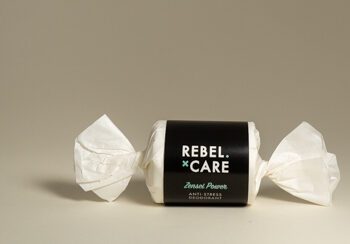
Whether you’re looking for effective protection without environmental compromise, sustainable deodorant options deliver results while supporting planetary health. At Rebel.Care, we’ve developed natural deodorants with refillable systems that prove you don’t need to sacrifice performance for sustainability. Making the switch benefits both your daily routine and the environment we all share.
Frequently Asked Questions
How long does it take to adjust when switching from conventional to aluminium free deodorant?
Most people experience a 1-2 week adjustment period as your body adapts to the natural formula. During this transition, you may notice increased sweating or odor as your pores detox from aluminium compounds. Start by applying the natural deodorant after showering on clean, dry skin, and reapply as needed until your body adjusts.
Do aluminium free deodorants work as effectively as conventional ones for heavy sweaters?
Yes, but they work differently - natural deodorants focus on odor control rather than blocking sweat entirely like aluminium-based antiperspirants. Look for formulas with higher concentrations of baking soda, magnesium, or zinc oxide for enhanced odor protection. Some people find they need to reapply once during long days, especially during the adjustment period.
What should I do if I experience skin irritation from natural deodorant ingredients?
Skin sensitivity often occurs from baking soda, essential oils, or coconut oil in natural formulas. Try switching to a sensitive skin formula without baking soda, or look for products with magnesium hydroxide instead. Always patch test new products on a small skin area first, and apply to completely clean, dry underarms to minimize irritation.
How can I tell if a deodorant's packaging claims are genuinely sustainable?
Look for specific certifications like FSC-certified cardboard, post-consumer recycled content percentages, or compostable material certifications. Genuine refill systems should offer substantial packaging reduction (70%+ less waste), and companies should provide clear recycling instructions. Avoid vague terms like 'eco-friendly' without supporting details or third-party verification.
Are refillable deodorant systems more cost-effective than buying new containers each time?
Yes, refillable systems typically cost 20-40% less per use after the initial container purchase. While the starter kit may cost more upfront, refills are significantly cheaper than buying complete new products. Calculate the cost per gram or ounce to compare accurately, and factor in the environmental savings as an additional value.
Can I make my current deodorant routine more sustainable without switching products entirely?
Start by using up your current deodorant completely before switching to avoid waste. Look for recycling programs that accept empty deodorant containers, or repurpose them for travel-sized products. When you do switch, choose brands with take-back programs or packaging made from recycled materials to maximize your environmental impact.
What's the best way to dispose of natural deodorant packaging responsibly?
Check if your local recycling program accepts the specific materials - many cardboard tubes are recyclable, while plastic components may need special handling. Some brands offer mail-back programs for their containers. Compostable packaging should go in commercial compost facilities, not home compost bins, unless specifically labeled for home composting.