Home / Blog / Deodorants / What makes deodorant packaging eco-friendly?
What makes deodorant packaging eco-friendly?
Chemical reviewed by Eric
Written by the Rebel.Care Editorial Team
Last updated 25/08/2025
Eco-friendly deodorant packaging combines sustainable materials, recyclable containers, and refillable systems to minimise environmental impact. The most sustainable options use bioplastics made from plant sources, recyclable aluminium or glass containers, and offer refill programmes that reduce packaging waste by up to 70% compared to traditional single-use deodorants.
Understanding eco-friendly deodorant packaging principles
Sustainable deodorant packaging starts with three core principles: material selection, manufacturing processes, and end-of-life disposal. These factors work together to reduce environmental impact throughout the product’s lifecycle.
The material choice makes the biggest difference. Traditional plastic deodorant containers can take hundreds of years to decompose, while eco-friendly alternatives break down naturally or get recycled into new products. Manufacturing processes matter too – local production reduces transport emissions, and energy-efficient facilities lower the carbon footprint.
End-of-life planning ensures packaging doesn’t end up in landfills. The best eco-friendly packaging either biodegrades completely or feeds back into the circular economy through recycling programmes.
Brands committed to sustainability consider every step, from sourcing raw materials to how you’ll dispose of the empty container. This holistic approach creates packaging that protects both your skin and the planet.
What materials make deodorant packaging sustainable?
Bioplastics lead the charge in sustainable deodorant packaging. Made from renewable sources like sugarcane, corn starch, or bamboo, these materials offer the durability of traditional plastic whilst being biodegradable or compostable.
Recycled cardboard works brilliantly for outer packaging. It uses 75% less energy to produce than new cardboard and can be recycled multiple times. Many natural deodorant brands wrap their products in recycled cardboard sleeves that you can toss straight into your recycling bin.
Aluminium containers provide another excellent option. They’re infinitely recyclable without losing quality, lightweight for shipping, and naturally antimicrobial. Glass containers offer similar benefits but weigh more, increasing transport emissions.
Some innovative brands experiment with biodegradable packaging materials like mushroom-based packaging or seaweed films. These cutting-edge options show promise but aren’t yet widely available.
| Material |
Recyclable |
Biodegradable |
Durability |
| Bioplastic (sugarcane) |
Limited |
Yes |
High |
| Recycled cardboard |
Yes |
Yes |
Medium |
| Aluminium |
Yes |
No |
Very high |
| Glass |
Yes |
No |
Very high |
How do recyclable deodorant containers reduce waste?
Recyclable materials transform waste into new products, keeping materials in circulation rather than sending them to landfills. When you recycle an aluminium deodorant container, it can become a new container within 60 days.
The circular economy approach treats packaging as a resource, not waste. Your empty deodorant container becomes raw material for manufacturing new products. This system works best when packaging uses single materials rather than mixed composites that are harder to separate and process.
Proper disposal makes all the difference. Rinse containers to remove product residue, separate different materials if needed, and check local recycling guidelines. Some areas accept certain plastics whilst others don’t.
Many councils now offer specialised recycling programmes for personal care packaging. These programmes handle materials that standard recycling can’t process, ensuring even complex packaging gets properly recycled.
Why do refillable deodorant programs benefit the environment?
Refill systems slash packaging waste by letting you reuse the same container multiple times. Instead of buying a new deodorant stick every month, you simply refill your existing container with fresh product.
The environmental benefits are substantial. Refill programmes typically reduce packaging waste by 70-80% compared to single-use products. They also cut manufacturing demands since brands produce fewer containers and more concentrated refills.
Quality stays consistent because refill systems maintain hygiene standards through sealed refill cartridges or sterile dispensing methods. You get the same product effectiveness whilst dramatically reducing your environmental footprint.
Many refill programmes offer subscription services, so fresh refills arrive automatically. This convenience factor helps more people stick to sustainable choices long-term. explore sustainable deodorant options that combine effectiveness with environmental responsibility.
Cost savings add another incentive. Refills typically cost 20-30% less than new products since you’re not paying for new packaging each time.
What certifications indicate truly eco-friendly packaging?
COSMOS certification represents the gold standard for natural and organic cosmetics packaging. This certification ensures packaging materials meet strict environmental criteria and come from sustainable sources.
FSC (Forest Stewardship Council) certification applies to cardboard and paper packaging. It guarantees materials come from responsibly managed forests that provide environmental, social, and economic benefits.
Cradle to Cradle certification evaluates the entire lifecycle of packaging materials. Products earning this certification demonstrate safety for human health and the environment, renewable energy use, and responsible water stewardship.
Look for biodegradable packaging certifications like ASTM D6400 or EN 13432. These standards verify that packaging will break down completely in industrial composting facilities within specific timeframes.
Some brands create their own sustainability commitments, but third-party certifications provide independent verification. They offer more reliable assurance that packaging meets genuine environmental standards.
Making informed choices for sustainable personal care
Sustainable packaging choices extend beyond the immediate purchase to long-term environmental impact. Consider how packaging fits into your overall lifestyle and disposal options in your area.
Start by checking what recycling facilities exist near you. If your local council accepts aluminium but not certain bioplastics, factor that into your decision. The most sustainable choice is the one that gets properly disposed of in your specific situation.
Evaluate refill programme availability and convenience. A refillable system only works if you’ll actually use it consistently. Consider subscription options that automate the process and make sustainable choices easier to maintain.
Read ingredient lists alongside packaging information. The most eco-friendly packaging means nothing if the product inside contains harmful chemicals that damage waterways when you shower.
Balance sustainability with effectiveness. Natural deodorant in sustainable packaging that doesn’t work for your body type isn’t a good choice. Look for brands that combine environmental responsibility with proven performance.
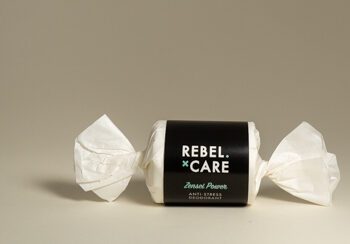
At Rebel.Care, we’ve built our entire approach around this balance – creating effective natural deodorants in bioplastic packaging made from sugarcane, with refill programmes that make sustainable choices simple and affordable. Because taking care of yourself and the planet shouldn’t require compromise.