Home / Blog / Uncategorized / What natural skincare products are actually affordable?
What natural skincare products are actually affordable?
Chemical reviewed by Eric
Written by the Rebel.Care Editorial Team
Last updated 09/02/2026
Natural skincare for men doesn’t have to break the bank. You can find effective, affordable options by focusing on simple formulations with proven ingredients, avoiding overpriced marketing, and choosing brands that prioritise value over flashy packaging. The key is understanding what drives costs up and knowing where to find genuine quality without the premium price tag.
What makes natural skincare expensive in the first place?
Natural skincare costs more because of higher-quality ingredients, smaller production batches, and sustainable packaging choices. Unlike mass-produced products with synthetic fillers, natural formulations use plant-based ingredients that cost more to source, extract, and preserve effectively.
Ingredient sourcing drives up costs significantly. Organic botanicals, cold-pressed oils, and sustainably harvested extracts command premium prices compared to synthetic alternatives. Manufacturing processes also differ – natural products often require smaller batches, gentler extraction methods, and more careful handling to maintain ingredient integrity.
Packaging choices add another cost layer. Many natural brands invest in eco-friendly containers, recyclable materials, and sustainable shipping options. While these choices benefit the environment, they typically cost more than standard plastic packaging used by conventional brands.
Marketing expenses can inflate prices unnecessarily. Some brands spend heavily on influencer partnerships, premium advertising, and fancy retail placement. These costs get passed to consumers, even when the actual product quality doesn’t justify the price increase.
Which natural ingredients give you the most bang for your buck?
Jojoba oil, shea butter, and tea tree oil deliver excellent results without premium pricing. These ingredients are widely available, well-researched, and effective for most skin types. They provide multiple benefits in simple formulations that don’t require expensive processing.
Jojoba oil works brilliantly because it mimics your skin’s natural sebum. It moisturises without clogging pores, making it perfect for all skin types. You’ll find it in affordable products because it’s relatively easy to source and doesn’t require complex processing.
Shea butter provides deep moisturising and anti-inflammatory benefits. It’s particularly effective for dry or irritated skin. Raw shea butter costs less than processed versions but delivers the same core benefits.
Tea tree oil offers natural antibacterial properties that help with breakouts and skin irritation. A little goes a long way, making products containing tea tree oil cost-effective for long-term use. Aloe vera, coconut oil, and vitamin E also provide excellent value – they’re proven effective, widely available, and don’t require premium processing.
How do you spot genuinely affordable natural products versus cheap knockoffs?
Check ingredient lists carefully and look for products with short, recognisable ingredient names listed in order of concentration. Genuine natural products list active ingredients first, while cheap knockoffs often lead with water and fillers, burying minimal natural ingredients at the bottom.
Red flags include products claiming to be “natural” but containing parabens, sulphates, or synthetic fragrances. These ingredients aren’t necessarily harmful, but they indicate the product isn’t truly natural despite marketing claims.
Look for certifications from recognised bodies, but don’t assume expensive certifications always mean better products. Sometimes smaller brands create excellent natural formulations without costly certification processes.
Price can be telling – extremely cheap products claiming premium natural ingredients are usually too good to be true. However, moderately priced products from smaller brands often offer better value than expensive department store options.
Check reviews from verified purchasers rather than promotional content. Real users mention specific benefits, skin type compatibility, and honest assessments of value for money.
What’s the real difference between drugstore and premium natural skincare?
The main differences lie in ingredient concentration, packaging quality, and brand positioning rather than actual effectiveness. Many drugstore natural products contain the same active ingredients as premium versions, just in simpler packaging with less marketing expense.
Premium brands often use higher concentrations of active ingredients and more sophisticated delivery systems. However, for basic skincare needs like cleansing, moisturising, and sun protection, drugstore options frequently perform just as well.
Packaging quality differs significantly. Premium products come in heavier containers, pump dispensers, and attractive designs that feel luxurious. Drugstore products focus on functionality over aesthetics, which keeps costs down without affecting product quality.
Where premium pricing makes sense: serums with high active ingredient concentrations, specialised treatments for specific skin concerns, and products requiring complex formulation processes. Where drugstore wins: basic cleansers, simple moisturisers, and everyday maintenance products.
The sweet spot often lies with mid-range natural brands that focus on quality formulations without excessive marketing costs or luxury packaging expenses.
How can you build an effective natural skincare routine without overspending?
Start with three essentials: cleanser, moisturiser, and sun protection. This covers your basic needs without overwhelming your skin or budget. Add other products gradually based on specific concerns rather than buying complete ranges immediately.
Look for multi-purpose products that serve multiple functions. A good face wash can often work for beard care too. Quality lip balms double as spot moisturisers for dry patches. This approach reduces the number of products you need while maintaining effectiveness.
Consider refillable options that reduce long-term costs. Some brands offer refill programmes where you keep the original container and purchase refills at reduced prices. This cuts packaging costs and environmental impact while saving money over time.
Buy appropriate sizes for your usage patterns. Travel sizes work well for trying new products, but regular users save money with larger containers. Calculate cost per use rather than upfront price to make smart purchasing decisions.
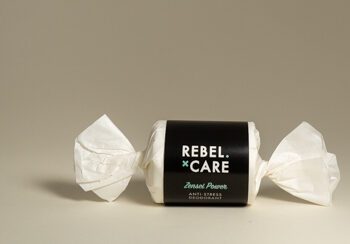
We’ve designed our range specifically for this approach – quality natural skincare for men that focuses on essentials without unnecessary complexity. Our refillable system means you get premium formulations at sustainable prices, proving that effective natural skincare doesn’t require premium budgets.
Frequently Asked Questions
How long should I test a new natural skincare product before deciding if it's worth the money?
Give new products at least 4-6 weeks for a fair assessment, as natural ingredients work more gradually than synthetic alternatives. Start with patch testing for 48 hours, then use consistently for a month to see real results. Keep notes on changes in skin texture, hydration, and any reactions to make an informed decision about repurchasing.
Can I mix different budget natural skincare brands in my routine, or should I stick to one brand?
Mixing brands is perfectly fine and often more cost-effective than buying complete ranges from one company. Focus on ingredient compatibility rather than brand loyalty – for example, a gentle cleanser from one brand can work beautifully with a moisturiser from another. This approach lets you find the best value products for each step of your routine.
What's the biggest mistake men make when trying to save money on natural skincare?
The biggest mistake is buying too many products at once or choosing products based solely on price rather than ingredients. Start with basics and add products gradually based on actual skin needs. Also, avoid the trap of buying multiple cheap products that don't work – it's better to invest in fewer quality items that deliver results.
Are DIY natural skincare recipes actually more affordable than buying products?
DIY can be cost-effective for simple recipes like basic moisturisers or scrubs, but it's often more expensive and risky for complex formulations. You'll need to buy multiple ingredients, and preservation can be challenging without proper knowledge. For most men, buying well-formulated affordable products is more practical and safer than making your own.
How do I know if a 'natural' product is actually giving me better results than conventional alternatives?
Track specific improvements like reduced irritation, better hydration, or fewer breakouts over 6-8 weeks. Natural products often provide gentler, more sustainable results rather than dramatic overnight changes. If your skin feels healthier, looks more balanced, and reacts well to the ingredients, the natural option is likely working better for your long-term skin health.
What should I do if I can't afford to replace my entire routine with natural products at once?
Transition gradually, starting with the product you use most frequently – usually your daily moisturiser or cleanser. Replace items as they run out rather than throwing away products that still work. This approach spreads the cost over several months while letting you test how your skin responds to natural alternatives without overwhelming your budget or skin.
Are subscription boxes or auto-delivery services worth it for affordable natural skincare?
Subscription services can offer savings of 10-20% and ensure you never run out of essentials, but only if you actually use everything you receive. They work best for products you've already tested and know you'll repurchase regularly. Avoid discovery boxes with random products – they often lead to waste and don't necessarily save money compared to buying proven products individually.